Understanding the Concept of Celebrities Look Alike
The concept of celebrity look-alikes has captured the public's imagination for decades. In an age where technology meets personality, the fascination with finding someone who resembles a well-known figure has become more accessible than ever. From apps that utilize advanced algorithms to social media platforms showcasing doppelgangers, the phenomenon of celebrities look alike has grown exponentially. This article explores the mechanics behind these tools, their appeal, and the future of this captivating trend.
What are Celebrity Look-Alike Apps?
Celebrity look-alike apps have surged in popularity, enabling users to upload their photos and receive matches with well-known personalities. These applications leverage powerful facial recognition technology, allowing individuals to discover which celebrities share similar features. The appeal is multifaceted; not only do users enjoy the novelty of seeing their likeness reflected in famous faces, but they also tap into a broader social narrative about identity and recognition.
The Technology Behind Facial Recognition
At the heart of celebrity look-alike apps lies sophisticated facial recognition technology. This involves algorithms that analyze various facial features—such as the shape of the jawline, the curve of the nose, and the distance between the eyes. By comparing these metrics to extensive databases of celebrity images, the software identifies the closest matches. Machine learning models continuously improve the accuracy of these comparisons, leading to more reliable results. Companies like StarbyFace and EaseMate are among the leaders in this sector, offering users engaging platforms to explore their celebrity counterparts.
Popular Culture's Fascination with Look-Alikes
Popular culture has long been fascinated with look-alikes. From historical figures to contemporary stars, the allure of resembling someone famous can be seen in various facets of entertainment. Movies, television shows, and social media have proliferated this phenomenon, turning it into a viral sensation. Celebrities themselves often comment on their look-alikes, contributing to a cycle of admiration and curiosity that fuels public interest.
How to Use Celebrity Look-Alike Apps Effectively
Using celebrity look-alike apps effectively can enhance the experience and yield better results. With numerous options available, understanding how to navigate these platforms is essential for maximizing enjoyment and minimizing frustration.
Getting Started: Choosing the Right App for You
When selecting a celebrity look-alike app, consider the following factors: user interface, accuracy of matches, and additional features like social sharing capabilities. Popular apps such as 'Celebs Like Me' and 'Face Shape Detector' offer varied functionalities, ensuring that users can find one that suits their needs. Look for applications with user reviews highlighting their strengths and weaknesses to make an informed choice.
Maximizing Your Experience with Celebrity Look-Alike Tools
Once you've chosen an app, the fun can truly begin. To get the most out of your experience:
- Use High-Quality Images: Ensure your uploaded photo is clear and well-lit to improve match accuracy.
- Experiment with Different Angles: Sometimes, your likeness may stand out more from certain angles or facial expressions.
- Engage with Friends: Share results with friends to add a layer of fun and competition. Some apps allow for direct sharing on social media, making this even easier.
Sharing Your Results on Social Media
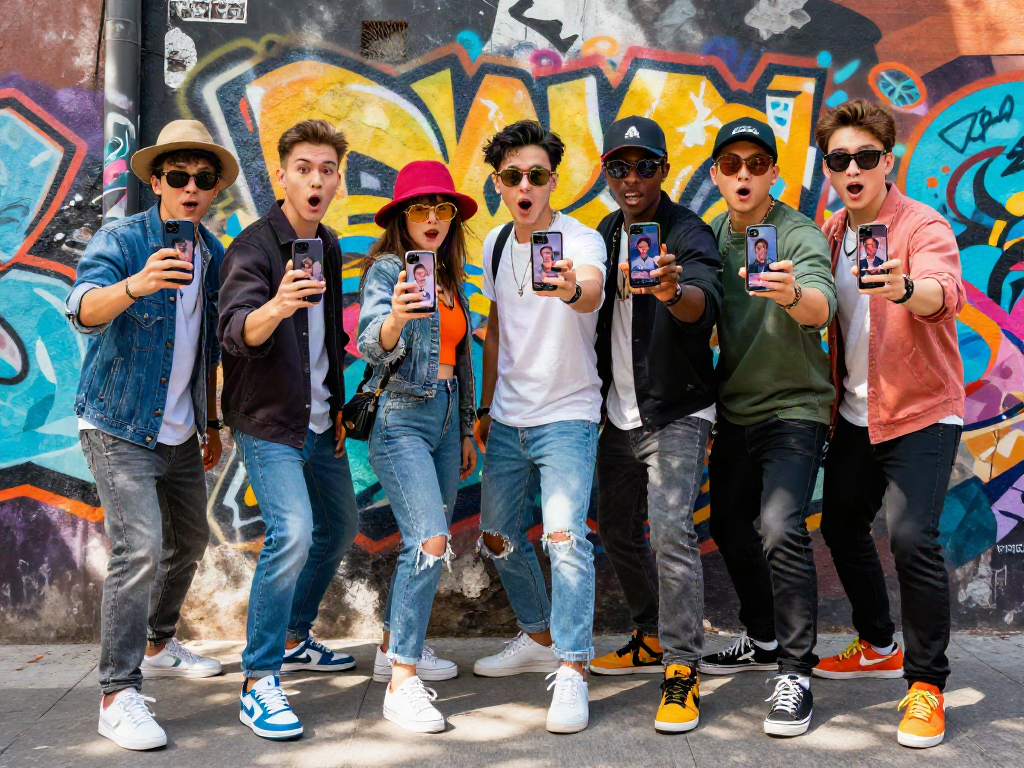
Many users find that sharing their results on social media platforms like Instagram and Facebook amplifies the enjoyment of these apps. Capturing reactions from friends and followers can make for entertaining exchanges, often leading to amusing discussions about how closely they resemble their chosen celebrities. Engage your audience by asking them to share their look-alikes, creating a participatory experience that further fuels the trend.
Exploring the Psychological Appeal of Celebrity Look-Alikes
The fascination with celebrity look-alikes extends beyond mere entertainment; it taps into psychological needs and societal trends. Understanding this appeal can uncover the deeper reasons why we are so captivated by our celebrity doppelgangers.
Why Do We Love Comparing Ourselves to Celebrities?
One reason for this fascination lies in the inherent desire to connect with admired figures. Celebrities often represent ideals of beauty, success, and talent, and encountering a resemblance can evoke feelings of closeness or aspiration. This comparison serves as a form of self-exploration, prompting individuals to reflect on their own identities within the framework of pop culture.
The Boost in Self-Esteem and Its Implications
Finding a celebrity look-alike can provide a significant boost to self-esteem. For many, it validates their attractiveness or uniqueness, fostering a more positive self-image. Psychologists note that such comparisons can help individuals feel more connected to society, as they align with popular figures. However, this boost can also have implications, leading to an unhealthy obsession with physical appearance or celebrity culture.
Cultural Trends Influenced by Celebrity Look-Alike Phenomena
The cultural landscape has absorbed the celebrity look-alike phenomenon, affecting fashion, social media trends, and how we perceive beauty. This trend has led to a burgeoning industry of look-alike events and competitions, further blurring the lines between identity and representation in contemporary society. As social media enables the rapid dissemination of viral trends, the interest in celebrity look-alikes is likely to evolve and expand its influence.
Potential Challenges and Misconceptions
While the world of celebrity look-alike apps can be entertaining, it is not without its challenges and misconceptions that users should consider.
The Accuracy of Celebrity Look-Alike Apps
One common concern is the accuracy of look-alike comparisons. While technology has advanced significantly, results can still vary based on several factors, including photo quality, lighting, and the algorithms used by the app. Users should approach results with a healthy dose of skepticism and humor, understanding that not every match will be a perfect doppelganger.
Addressing Privacy Concerns with Photo Sharing
When using celebrity look-alike apps, privacy issues may arise, especially when sharing personal photos online. It's crucial to read the privacy policies of these applications and resist sharing any sensitive images. Users should prioritize their personal data security to avoid unwanted repercussions.
Debunking Myths about Celebrity Resemblances
There are several myths surrounding celebrity look-alikes that often circulate among the public. One such myth is that all look-alikes share similar life experiences or personalities—this is not necessarily true, as resemblance is purely physical. Additionally, users should be wary of generalizations that claim certain ethnicities or backgrounds are more likely to produce look-alikes, as facial features are highly diverse and cannot be categorized simplistically.
The Future of Celebrity Look-Alike Trends in 2026
As technology continues to advance, the future of celebrity look-alike trends looks promising. Emerging innovations in facial recognition and artificial intelligence are likely to enhance user experience, making the search for celebrity doppelgangers even more engaging and accurate.
Emerging Technologies and Innovations in Face Recognition
The next few years may witness the integration of augmented reality (AR) and virtual reality (VR) technologies within celebrity look-alike apps, allowing users to visualize and interact with their celebrity counterparts in real-time. This capability could provide immersive experiences that deepen user engagement and bring a new dimension to the trend.
Future Trends in Social Media Engagement
The dynamics of social media are ever-evolving, and the celebrity look-alike trend will undoubtedly adapt. Expect to see more influencer-led campaigns and partnerships around look-alike themes, encouraging broader participation. As platforms evolve, features that facilitate easy sharing and comparison will become standard, pushing this trend further into the mainstream.
Impact on the Entertainment Industry
Finally, as the celebrity look-alike trend continues to grow, its influence on the entertainment industry may also increase. Casting directors and producers may begin to look at the popularity of celebrity look-alike apps as a marketing tool, leveraging the public's interest in doppelgangers for film and television projects. This shift could create a new genre of entertainment based on look-alike cultures, further enriching the media landscape.
What are the best celebrity look-alike apps?
Some of the most popular celebrity look-alike apps available today include 'Celebs Like Me,' 'Lookalike Finder,' and 'Face Shape Detector.' Each app offers unique features that cater to varying user preferences—explore a few to find the one that suits you best.
Can I find out which celebrity I resemble without an app?
Yes, there are online platforms that allow users to submit photos for comparisons without the need for app downloads. These websites often utilize similar facial recognition technologies to determine celebrity likeness.
Are there risks associated with sharing photos for look-alike comparisons?
Yes, sharing photos always comes with inherent risks, particularly concerning privacy and data security. Be sure to understand the terms of service and privacy policies of any platform before uploading your images.
How accurate are celebrity look-alike comparisons?
While many look-alike apps utilize advanced technology, accuracy can vary widely based on various factors, including the database of celebrity images, the quality of the uploaded photo, and algorithm effectiveness. Users should maintain realistic expectations.
What psychological effects do look-alike comparisons have on individuals?
Comparisons to celebrities can boost self-esteem for some, but it may also lead to negative self-comparisons for others. Understanding the potential psychological impact is important for users as they engage with these features.