Why Screen-Free Play Matters for Kids
In today's technology-driven world, screen time is a ubiquitous part of children’s lives, often overshadowing valuable playtime. Recognizing the importance of screen-free play is essential for fostering creativity, encouraging physical activity, and promoting social interaction among children. Parents and caregivers who prioritize non-digital activities can provide environments conducive to holistic child development. To discover more about effective screen-free options for your child, visit the website where curated ideas await.
Benefits of Screen-Free Play
Screen-free play fosters an array of benefits that are vital for child growth:
- Enhanced Creativity: Without the confines of screens, children are encouraged to imagine and create. Whether through storytelling, crafting, or building, they learn to express themselves better.
- Improved Social Skills: Engaging in non-digital play often involves multiplayer formats. Children learn to collaborate, share, and negotiate—key skills for future friendships and teamwork.
- Better Physical Health: Physical play promotes fine and gross motor skills while reducing the risk of obesity associated with sedentary lifestyles.
- Emotional Regulation: Engaging in hands-on activities helps children to manage their emotions better by offering them constructive outlets through play.
Impact on Child Development
Child development encompasses various domains, including cognitive, social, emotional, and physical growth. Screen-free play significantly contributes to each of these areas:
- Cognitive Development: Activities like building blocks or puzzles stimulate critical thinking and problem-solving capabilities, laying the groundwork for future academic success.
- Social Development: Interactions during play facilitate the development of empathy and emotional intelligence, which are indispensable for meaningful relationships.
- Emotional Development: Unstructured play allows children to explore emotions in a safe space, fostering resilience and coping strategies during life’s challenges.
- Physical Development: Engaging in active play promotes kinesthetic skills and coordination while building strength and endurance.
Creating a Balanced Playtime
Creating a balanced approach to playtime involves integrating various activities that encompass both structured and unstructured periods. Here are some strategic steps:
- Variety is Key: Alternate different types of activities—art, construction, cooperative games—to keep your child engaged.
- Set Time Limits: Designate specific times for screen versus non-screen activities to establish boundaries that ensure balance.
- Encourage Exploration: Provide opportunities for children to explore their interests, whether through art, science experiments, or nature-related activities.
Top Toys for Enhancing Fine Motor Skills
Fine motor skills are crucial for everyday tasks, and certain toys are exceptionally effective in enhancing these skills.
Building Blocks and Construction Kits
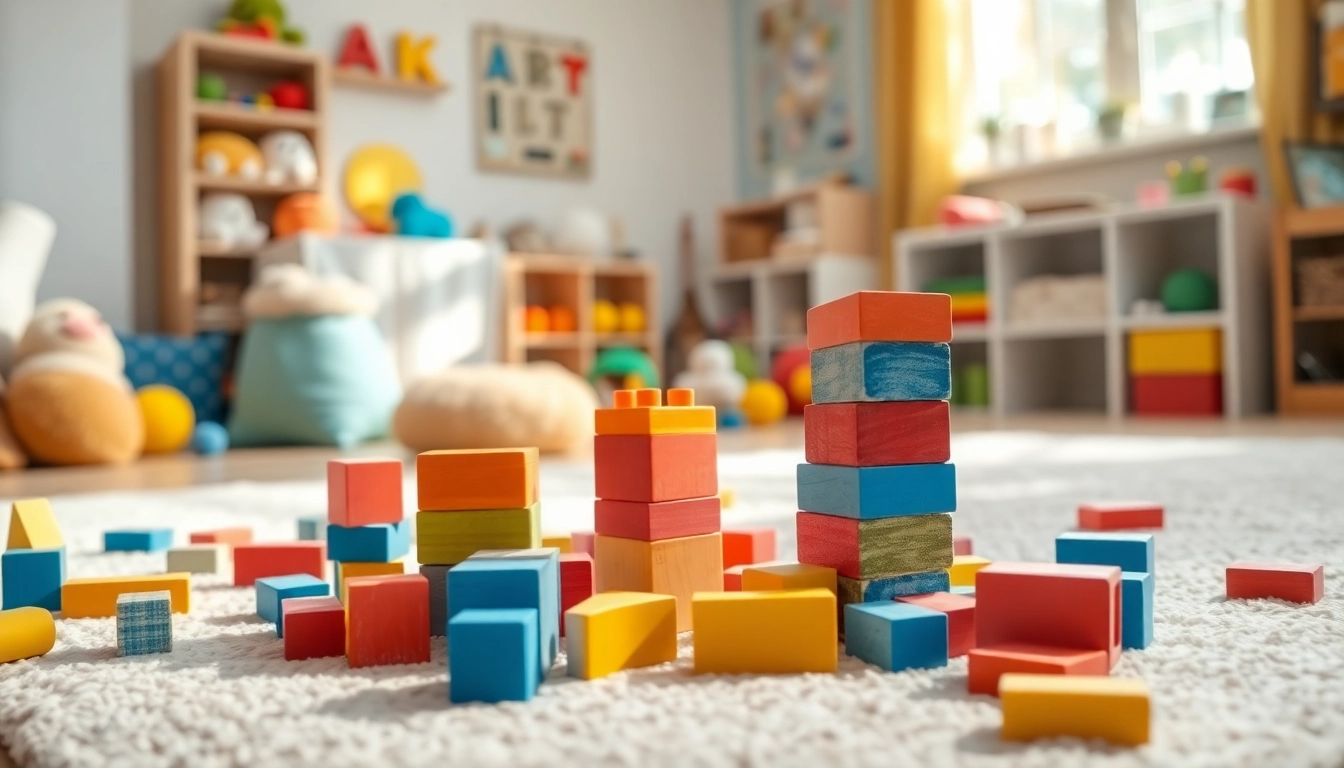
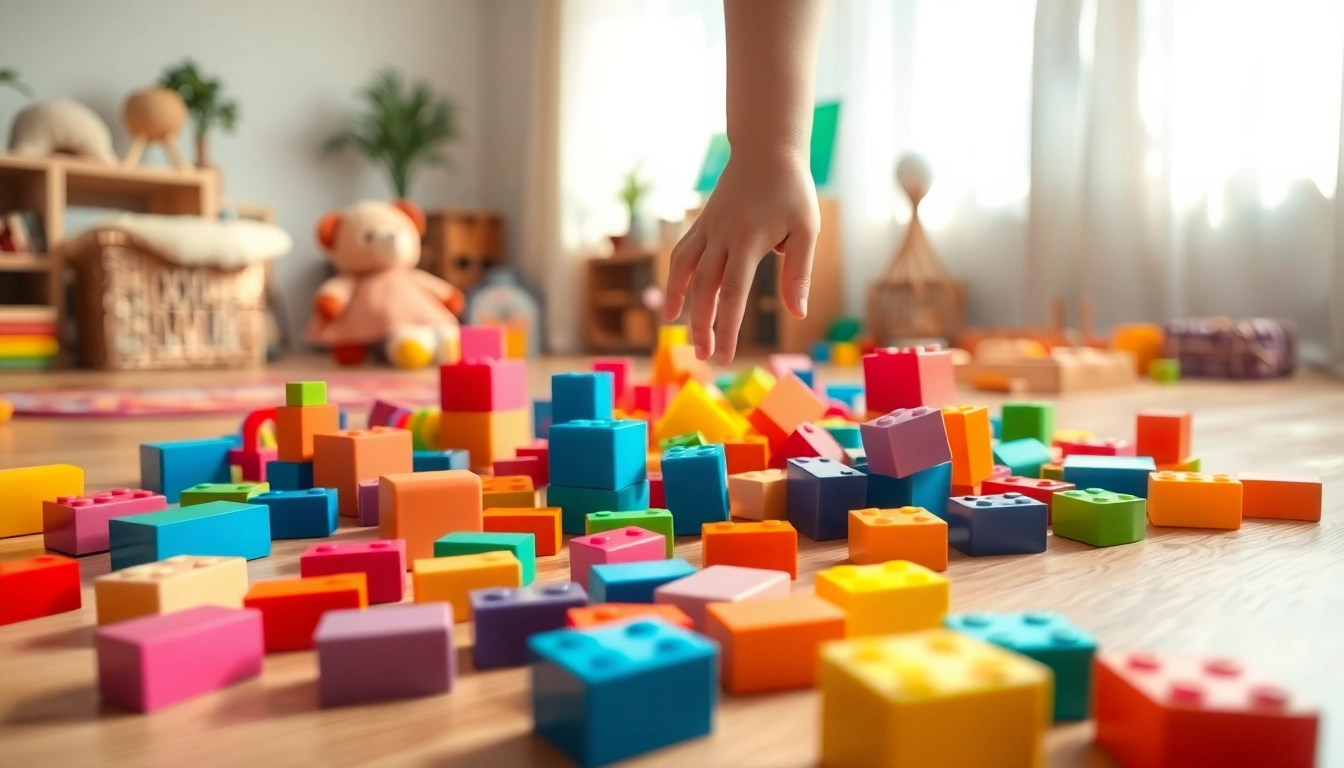
Building blocks, such as wooden blocks, magnetic tiles, or LEGO® sets allow children to experiment with balance and symmetry, laying the foundation for engineering concepts:
- Spatial Awareness: Children learn about space, size, and shape while manipulating blocks.
- Problem Solving: Constructing with blocks requires planning and adaptability when things don't fit as expected.
- Creativity: The open-ended nature of block play encourages imaginative structures and narratives.
Art Supplies for Creative Expression
Art supplies empower children to convey their feelings and ideas visually. Providing various materials enhances the tactile experience of creativity:
- Coloring Materials: Crayons, markers, and paints develop grip strength and control.
- Crafting Items: Glue, scissors, and craft paper promote coordination and precision when crafting designs or collages.
- Themed Kits: Engage children with specific themes (seasonal, nature) to brainstorm how to express their ideas.
Puzzles and Problem-Solving Games
Puzzles and brain teasers not only enhance fine motor skills but also sharpen cognitive abilities:
- Critical Thinking: Puzzles require strategic thinking and foresight to complete.
- Hand-Eye Coordination: Placing pieces correctly enhances dexterity.
- Sense of Achievement: Completing puzzles boosts self-esteem and encourages persistence.
Ideas for DIY Screen-Free Play Activities
DIY activities can be both fun and educational. Here are creative ideas that utilize common household items:
Craft Projects Using Household Items
Transform everyday items into creative materials for crafting:
- Paper Mache: Use newspapers and glue to create models.
- Recycled Creations: Bottles, boxes, and tubes can become various art forms or imaginative toys.
- Homemade Instruments: Create shakers or drums from household items for musical expression.
Outdoor Exploration and Play
Encouraging outdoor exploration maximizes physical activity and curiosity:
- Nature Walks: Promotes observation skills and appreciation for nature.
- Gardening Projects: Engaging children in planting teaches responsibility and the basics of biology.
- Scavenger Hunts: Create lists of items to find in your backyard or park, enhancing critical thinking.
Simple Board Games for Family Fun
Board games provide a chance for family interaction and strategic thinking while developing various skills:
- Strategy Games: Games like chess develop planning and foresight.
- Cooperative Games: Encourage children to work together toward a common goal.
- Word Games: Enhance vocabulary and spelling while stimulating friendly competition.
Integrating Screen-Free Toys into Daily Routines
Incorporating screen-free toys into your child's daily schedule can create an engaging environment that prioritizes play.
Setting Up Play Zones at Home
Designating specific areas for play can help preschoolers engage meaningfully:
- Art Corners: Stock with supplies for creativity.
- Construction Areas: Outdoor or indoor spaces filled with building materials.
- Quiet Zones: Areas for reading or solving puzzles promote calm and focus.
Balancing Toys with Other Activities
Creating a routine that blends different types of activities fosters all-rounded development:
- Structured Activities: Schedule time for educational or physical tasks alongside free play.
- Versatile Toys: Choose toys that can serve multiple purposes, such as building kits that can also be painted.
- Family Activities: Engage in activities together, such as cooking or crafting.
Making Family Time Screen-Free
Establish family traditions that don’t involve screens, enhancing relationships:
- Game Nights: Reserve time weekly for board games or DIY activities.
- Outdoor Adventures: Plan regular visits to parks, beaches, or hills.
- Cooking Together: Involve children in meal preparations to learn and bond.
FAQs Surrounding Screen-Free Toys and Play
What are the benefits of screen-free toys?
Screen-free toys promote creativity, improve physical health, enhance social interaction, and provide emotional outlets for children.
How can I encourage my child to play without screens?
Offer a variety of engaging options, set time limits for screens, and lead by example by participating in screen-free activities together.
What age is appropriate for building toys?
Building toys can be used by infants with supervision; age-appropriate sets should be chosen based on developmental skills and interests.
Are screen-free toys effective for learning?
Yes, many screen-free toys promote cognitive, social, and physical skills, providing a hands-on learning experience that enhances traditional education.
How do I select the right toys for my child?
Consider your child’s age, interests, developmental stage, and the educational benefits of the toys when making a selection.