Understanding the Importance of Screen-Free Play
Increasingly, our littlest ones are submerged in a world filled with screens, from tablets to televisions, influencing how they play and learn. But fostering screen-free play is essential for a child's overall development and well-being. By prioritizing activities that do not involve screens, parents and caregivers can nurture creativity, critical thinking, and social skills. For a deeper exploration of innovative play ideas that don’t involve screens, you can visit the website.
Benefits of Reducing Screen Time
Reducing screen time provides numerous benefits. Research has shown that excessive screen exposure is linked to obesity, sleep problems, and diminished social skills. By minimizing screens, children can engage in activities that promote their physical health, enhance communication, and foster emotional intelligence.
Encouraging Physical Activity
Engaging in physical activities without the distraction of screens helps kids develop coordination and strength. From building forts to playing tag, these activities promote a healthy lifestyle while also being fun.
Boosting Creativity
Screen-free play encourages imagination. When children have the freedom to create without pre-set boundaries, they can invent their own games and stories, thereby developing creative problem-solving skills.
Impact on Developmental Skills
Reducing screen time can enhance developmental skills crucial for personal and academic success. Fine motor skills, social interaction, and emotional regulation are all positively impacted by engaging in hands-on, screen-free play activities.
Enhancing Fine Motor Skills
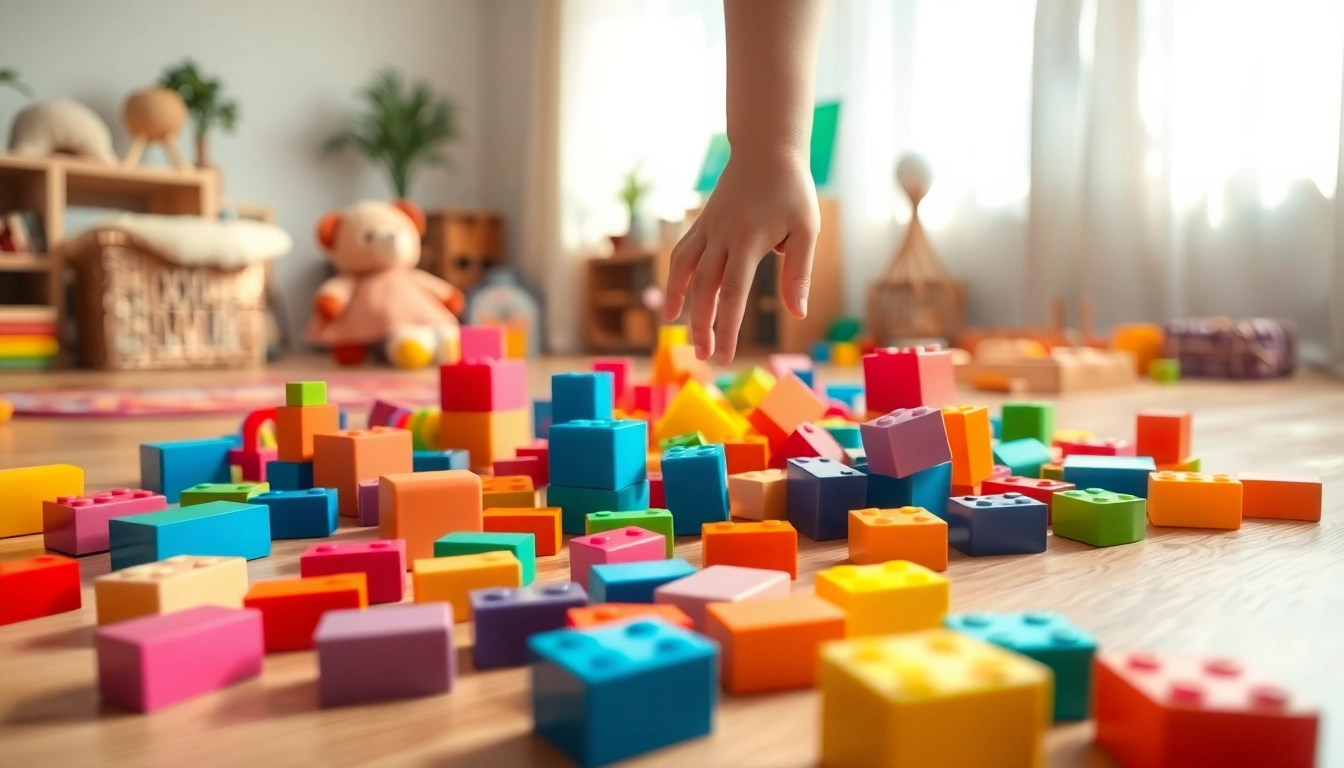
Activities like drawing, building, and crafting require children to use small muscle groups. Toys that encourage manipulation, such as building blocks or arts and crafts materials, can significantly improve dexterity.
Social and Emotional Growth
Playing with peers fosters teamwork and negotiation skills. Screen-free interactions facilitate conversations and empathy—skills that are invaluable as they grow older.
Creating a Screen-Free Environment
To create a nurturing environment conducive to screen-free play, consider the following strategies:
Designated Play Areas
Set up areas in your home specifically for play. A craft station or a reading nook can encourage children to engage in activities that stimulate their minds and bodies.
Playful Routines
Implement routines that incorporate scheduled playtime, making it a regular part of your family's day. This practice helps establish healthy habits around play and leisure.
Top Picks for Fine Motor Skill Building Toys
Fine motor skills are essential for everyday tasks and academic success. Here’s a compilation of toys that are not only engaging but effective in building these skills.
Best Toys for Young Children
Young children require toys that challenge their developing skills while also being safe and easy to use. Recommended toys include:
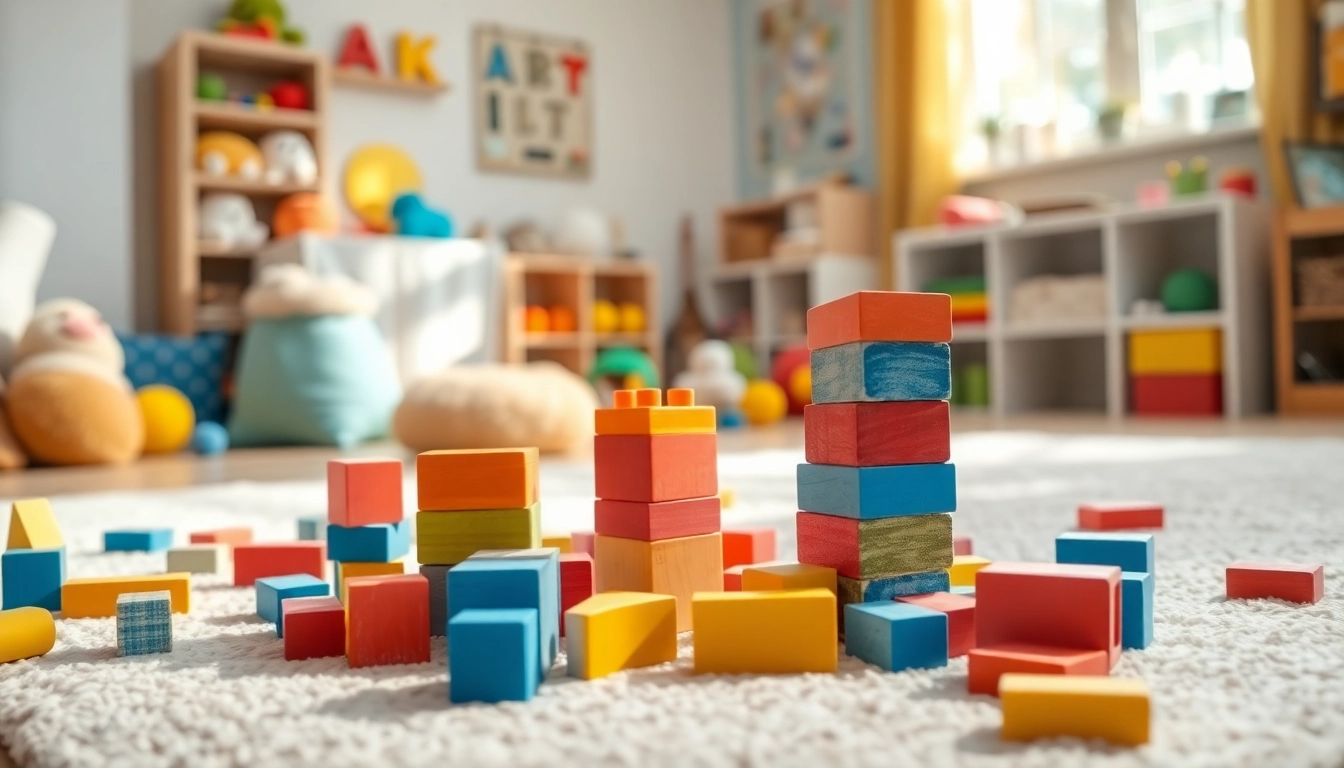
- Stacking Blocks: These encourage spatial awareness and hand-eye coordination.
- Shape Sorters: Great for learning shapes and improving dexterity.
- Musical Instruments: Instruments like tambourines or maracas encourage rhythm and fine motor skills.
Multi-Use Toys for Older Kids
Older children benefit from versatile toys that allow for more complex play. Here are top selections:
- Building Sets: LEGO or magnetic tiles foster creativity and engineering skills.
- Art Supplies: Tools such as colored pencils and clay enhance both creativity and fine motor skills.
- Puzzles: Encourage problem-solving and spatial reasoning.
Sensory Play Options
Sensory play supports cognitive, social, and emotional development. Sensory toys or materials can include:
- Sand and Water Tables: These encourage exploration and experimentation.
- Play-Dough: Molding and squishing enhance strength in fingers and hands.
- Textured Materials: Fabrics, sponges, or natural materials stimulate touch and exploration.
Inspiring Imaginative Play Without Screens
Beyond the realm of traditional toys, imaginative play is a vital component of childhood development. Here are ways to inspire such creativity.
Crafting Stations at Home
Setting up a crafting station at home can lead to endless creativity. Stock it with various materials, including paper, glue, glitter, and recyclables, and encourage children to express themselves through art.
Role-Playing Activities
Encouraging role play is a fun method to boost imaginative play. Kids can pretend to be professionals, explorers, or even characters from their favorite stories. This type of play can foster empathy, creativity, and social skills.
Outdoor Game Ideas
Outdoor play is vital for physical health and emotional well-being. Here are some engaging outdoor games:
- Treasure Hunts: Set up a map and encourage investigation and problem-solving.
- Obstacle Courses: Use natural elements like logs and rocks to create fun physical challenges.
- Gardening: Teaching kids to plant and care for flowers or vegetables is both rewarding and educational.
Combining Learning and Fun with Toys
Learning doesn't have to be confined to traditional educational tools. Many toys can be both entertaining and informative.
Educational Screen-Free Toys
Choosing educational toys can foster learning in a fun and engaging way. Look for options that teach concepts like numbers, letters, or science through play.
STEM-Focused Playsets
STEM toys, which include science, technology, engineering, and mathematics concepts, are designed to inspire future innovators. Building kits or science experiment sets are great examples.
Language Development through Play
Language can be nurtured through play-based activities. Toys that encourage storytelling, such as puppet theaters or story-building games, facilitate language skills while keeping children engaged.
Creating a Play Schedule for Kids
Instituting a structured play schedule can help children make the most of their screen-free time. Here’s how to create one.
Incorporating Structured Playtime
By setting specific times for different types of play—such as craft time or outdoor play—children learn to anticipate and value their play hours. Keeping a visible schedule can help reinforce this routine.
Balance Between Free and Guided Play
Children need both free play, which allows them to explore independently, and guided play, which targets developmental skills. Striking a balance ensures children experience both the freedom to create and the direction to learn.
Engaging Family Activities
Involving the entire family in play enhances bonding and collaboration. Consider game nights, family hikes, or collaborative art projects to foster engagement among family members.
Frequently Asked Questions
Why is screen-free play essential for children?
Screen-free play fosters creativity, physical activity, and essential social skills, leading to better cognitive and emotional development.
What are some examples of screen-free toys?
Screen-free toys include building blocks, craft supplies, musical instruments, puzzles, and sensory materials that promote various skills.
How can I encourage my child to play without screens?
Set up play areas, involve them in outdoor activities, and provide toys that enhance creativity and engagement without screens.
What age is best to introduce fine motor skill toys?
Fine motor skill toys can be introduced as early as 12 months, with varying complexity based on the child's age and developmental stage.
Can family time enhance play experiences?
Yes! Engaging in family activities can strengthen bonds, create joyful experiences, and provide guided play that enhances learning and interaction.