Introduction to clarksburg AVA wineries
Clarksburg AVA wineries present a unique experience for wine enthusiasts, offering diverse varietals and captivating landscapes. Nestled in the scenic Sacramento River Delta of California, the area is gaining recognition for its rich agricultural heritage, characterized by a commitment to quality winemaking. Exploring the offerings of these wineries offers not just a taste of exceptional wines, but also a glimpse into the history and culture behind the clarksburg AVA wineries.
Understanding the AVA Designation
American Viticultural Areas (AVAs) are designated wine grape-growing regions defined by specific geographic boundaries. These designations indicate that the area has unique growing conditions due to its climate, soil composition, and geographical features. Clarksburg was designated an AVA in 1984, recognizing its distinctive characteristics and the quality of wines produced here. To qualify for the AVA designation, wineries must meet specific criteria regarding grape sourcing and winemaking practices, ensuring authenticity and a commitment to excellence.
History of Wineries in Clarksburg
The history of winemaking in Clarksburg traces back to the mid-19th century when Italian, German, and Portuguese settlers began cultivating grapes in the fertile soil of the Sacramento Valley. The region’s proximity to water and favorable climate conditions led to a flourishing agricultural economy, with vineyards becoming a vital part of the landscape. Through the years, Clarksburg has evolved from a small farming community to a prominent player in California’s wine industry, consistently producing award-winning wines that reflect the terroir.
Unique Features of Clarksburg AVA
Clarksburg AVA boasts distinct climatic features that contribute to the quality of its wines. The region experiences a Mediterranean climate, characterized by hot summers and mild, wet winters, creating ideal conditions for grape growing. The surrounding waterways help regulate temperature and humidity, minimizing the risk of frost and disease. Additionally, the soil composition includes sandy loam and clay, providing excellent drainage while retaining necessary moisture for the vines. These unique characteristics come together to create an environment that allows for a diverse range of grape varieties to thrive.
Types of Wines Produced
Red Wines: Varieties and Characteristics
Clarksburg is celebrated for a rich array of red wines, with Zinfandel and Cabernet Sauvignon leading the charge. Zinfandel grapes thrive in the warm days and cool nights of the region, resulting in bold, fruit-forward wines that often feature notes of blackberry, raspberry, and spice. Similarly, Cabernet Sauvignon from Clarksburg tends to be well-structured, with firm tannins and aromas of dark fruit, cedar, and vanilla, making them perfect for aging. Other notable varietals include Syrah and Merlot, each contributing to the winery’s diverse red wine portfolio.
White Wines: Varieties and Characteristics
Within the realm of white wines, Clarksburg shines with its exceptional Chenin Blanc and Sauvignon Blanc. Chenin Blanc here is known for its bright acidity and floral aromas, often presenting flavors of apple, pear, and honey—ideal for pairing with seafood and light dishes. Sauvignon Blanc reveals vibrant citrus notes and a refreshing herbal character, reflecting the cool river breeze that influences its profile. These white wines are recognized not just for their flavor but also for their food-pairing versatility.
Specialty Wines from Clarksburg
Beyond the traditional red and white, Clarksburg's wineries are known for producing specialty wines that intrigue and delight. Dessert wines, such as late-harvest Chenin Blanc, exhibit sweetness balanced with acidity, making them perfect companions for creamy cheeses or fruit-based desserts. Additionally, sparkling wines from Clarksburg offer a touch of elegance and are increasingly gaining traction, showcasing the innovative spirit of local winemakers as they explore various styles and techniques.
Visiting Clarksburg AVA Wineries
Best Seasons to Visit
Choosing the best season to visit Clarksburg wineries can enhance the overall experience. The fall months, particularly September and October, coincide with grape harvest, providing visitors a chance to witness the winemaking process. Spring offers beautiful blooms in the vineyards, while summer is ideal for relaxed outdoor tastings under sunny skies. Each season presents a unique charm, creating an atmosphere conducive to savoring the wines and enjoying the stunning vistas.
Wine Tasting Experiences
Many Clarksburg wineries offer comprehensive tasting experiences that include guided tours of the vineyards, cellar visits, and intimate tasting sessions. Visitors can often indulge in flights of wines paired with artisanal cheeses or charcuterie—a perfect way to appreciate the nuances of each varietal. Some wineries also host special events, such as food and wine pairings, seasonal celebrations, and educational workshops focused on the intricacies of winemaking. These experiences not only deepen appreciation for the wines but also foster connections to the local culture.
Couple and Family-Friendly Activities
Clarksburg is not just a destination for wine aficionados—it's a family-friendly locale that offers activities for all ages. Couples can enjoy romantic picnics amidst the vineyards or partake in sunset tastings that create unforgettable memories. Families will appreciate various outdoor activities such as hiking nearby trails or exploring the Sacramento River. Many wineries provide welcoming atmospheres, making them great destinations for family outings, often including games or on-site food options that enhance the day.
Pairing Food with Clarksburg Wines
Best Local Foods to Try
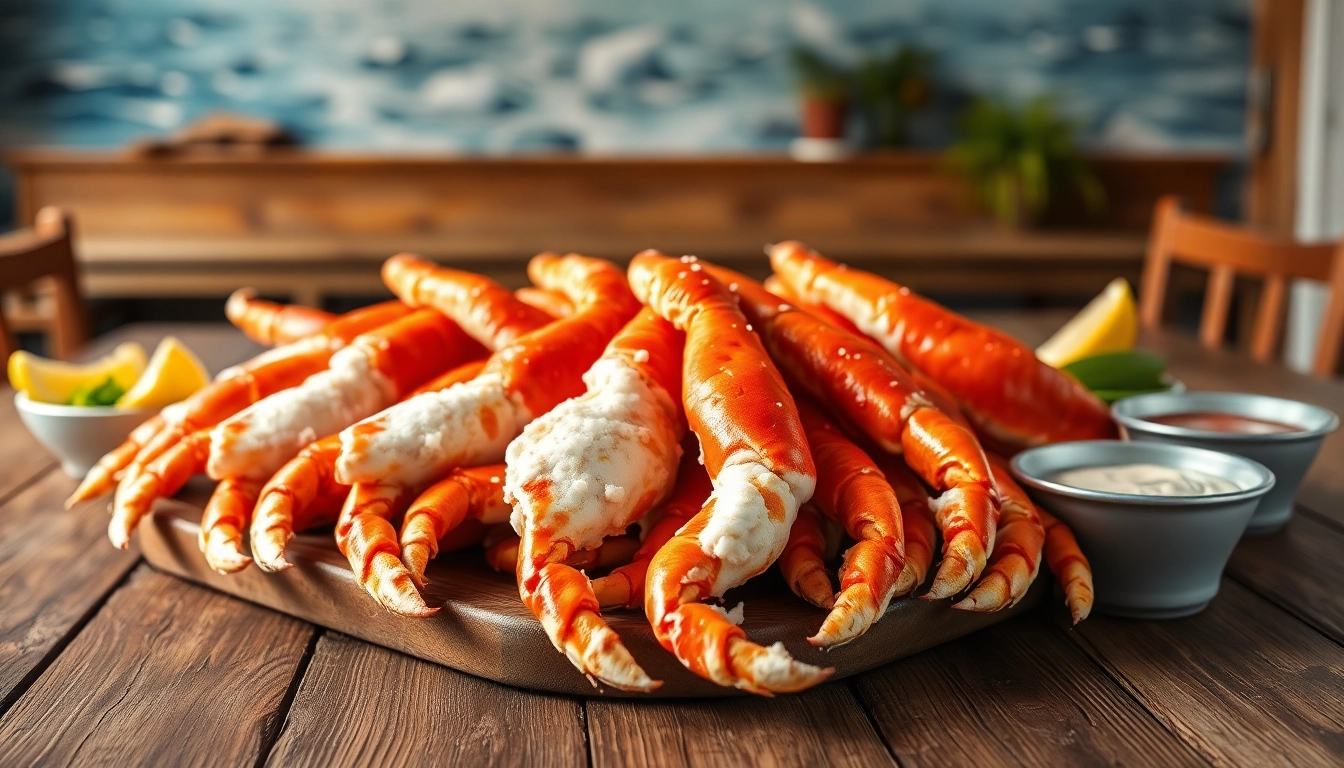
Visitors to Clarksburg are encouraged to explore the local cuisine that pairs beautifully with the area's wines. Fresh, locally sourced ingredients feature prominently, with dishes incorporating regional produce, seafood from the nearby delta, and artisanal cheeses crafted by local dairies. Traditional California fare, such as grilled vegetables and herb-marinated meats, harmonizes wonderfully with Clarksburg’s wide array of wines, delivering authentic tastes of the region. Don't miss out on seasonal farmers' markets and local restaurants that showcase these flavors.
Food Pairing Recommendations
Successful food pairing enhances the wine-tasting experience. When enjoying Clarksburg Zinfandel, try pairing it with hearty barbecued meats or spiced dishes that complement the wine's bold fruit flavors. For white wine lovers, Chenin Blanc pairs excellently with light salads or seafood dishes accented with citrus. Explore creative pairings, such as serving sparkling wines with fried foods, as the acidity cuts through the richness, creating a delightful balance. The key to excellent pairing lies in experimenting and finding combinations that suit individual taste preferences.
Cooking with Clarksburg Wines
Incorporating Clarksburg wines into cooking can elevate flavors and create mouthwatering dishes. Use robust reds to deglaze pans or as a marinade base for meats, enhancing depth and richness. White wines work wonderfully in sauces, risottos, or to poach seafood, imparting brightness and flavor. Recipes featuring Chenin Blanc as an ingredient often yield excellent results in dishes like creamy pasta or risotto. Incorporate these wines into your culinary endeavors for multi-layered and memorable meals.
Future of Clarksburg AVA Wineries
Sustainable Practices in Winemaking
The future of clarksburg AVA wineries increasingly embraces sustainable practices, reflecting a growing commitment to environmental stewardship. Many wineries are adopting organic farming techniques, reducing pesticide use, and implementing cover cropping to maintain soil health. Water conservation methods are also a priority, with many vineyards investing in drip irrigation and rainwater harvesting systems. Such efforts not only enhance the quality of vineyard management but also respond to consumer demand for environmentally conscious products.
Emerging Trends and Innovations
Innovation is at the heart of Clarksburg's evolving wine scene, with winemakers experimenting with new varietals and winemaking techniques. The rise of natural wines—produced with minimal intervention—has sparked interest among a diverse audience, leading wineries to explore biodynamic practices and wild yeasts. Moreover, advancements in technology contribute to enhanced grape growing and harvesting techniques, allowing winemakers to optimize quality and efficiency. These trends position Clarksburg as a relevant player in the ever-changing wine landscape.
Community Involvement and Support
Clarksburg wineries actively engage with the local community, fostering a culture of support and collaboration. Collaborations with local businesses, artists, and chefs enrich the overall wine experience and bolster local economies. Events highlighting local talent and charitable initiatives showcase the shared commitment to community well-being. This dedication not only enhances community ties but also influences the quality of wines and experiences offered, creating a vibrant and inclusive atmosphere.
FAQs
What is the best time to visit Clarksburg wineries?
The best time to visit is during harvest season in the fall, around September and October, when you can witness the grape-picking process. However, spring and summer months are also lovely for exploring the vineyards.
Are Clarksburg wines suitable for aging?
Yes, many Clarksburg red wines, particularly Cabernet Sauvignon and Zinfandel, are well-suited for aging due to their structure and tannin levels, enhancing their complexity over time.
Can I bring kids along when visiting Clarksburg wineries?
Yes, many wineries are family-friendly and offer outdoor spaces, games, and activities suitable for children, making it a welcoming environment for families.
Do I need a reservation for wine tastings?
While many wineries accept walk-ins, it's advisable to make reservations, especially during peak seasons, to ensure availability and personalized experiences.
What food pairs best with Clarksburg wines?
Locally sourced dishes such as grilled meats, seafood, and artisanal cheeses pair excellently with Clarksburg wines, enhancing the tasting experience with complementary flavors.