Understanding the Bar Concept
What Defines a Bar Experience?
At its core, a bar is more than just a venue for drinks; it's a social hub where people gather to connect, unwind, and celebrate life’s moments. The atmosphere, customer service, and the drinks offered all combine to form a unique experience that invites guests to return time and again. A well-curated experience will engage the senses, encourage conversation, and promote a sense of community. This is where the essence of the Bar shines.
Types of Bars and Their Appeal
The bar landscape is diverse, catering to various preferences and moods. Some popular types include:
- Sports Bars: Perfect for catching the latest game, these bars offer multiple screens, hearty snacks, and a lively environment.
- Lounges: These bars balance an upscale atmosphere with comfortable seating, making them ideal for dates and casual meet-ups.
- Craft Cocktail Bars: Focused on artisanal cocktails, these bars pride themselves on unique ingredients and inventive pairings.
- Wine Bars: A haven for wine enthusiasts, often featuring extensive selections along with food pairings.
- Beer Gardens: Known for outdoor seating and casual vibe, these bars often host events and local brews.
Each type of bar offers distinct experiences that draw in varying clientele based on interests and occasions.
The Role of Atmosphere in a Bar
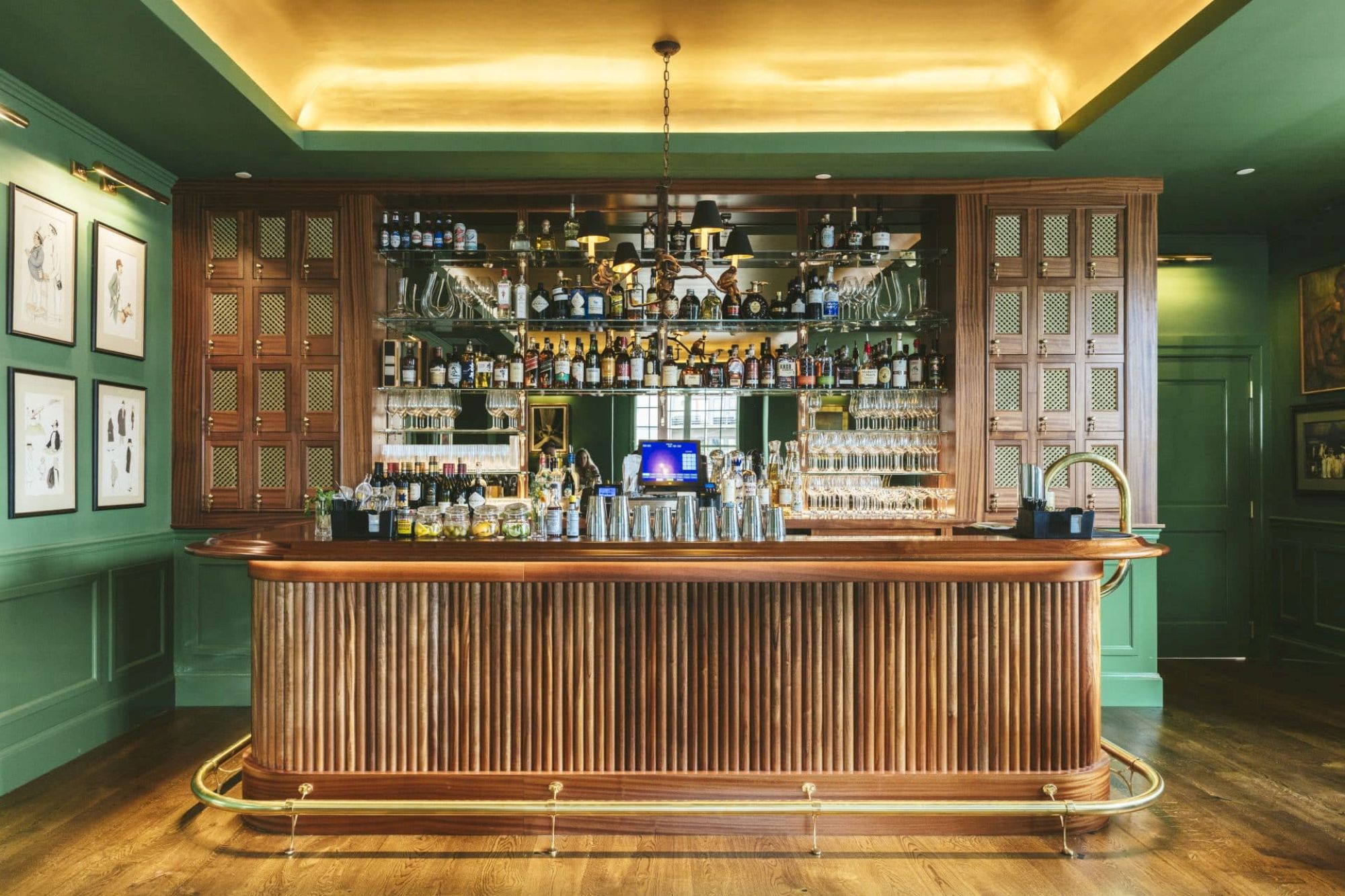
Atmosphere is paramount in establishing a bar's identity and influencing customer behavior. Elements such as décor, layout, and lighting all contribute significantly. A warm, inviting décor can make patrons feel comfortable and welcome. Keeping the noise levels moderate can facilitate conversation, while vibrant colors may encourage a lively mood. Each element should be thoughtfully curated to resonate with the target audience.
Creating an Inviting Bar Environment
Interior Design Essentials for Bars
When it comes to designing a bar, the layout should allow for flow. Patrons should be able to move easily from the entrance to seating areas and the bar itself. Incorporating comfortable seating, artistic elements, and a cohesive theme aids in creating a captivating environment. Incorporating local artwork or themed decor can forge a connection with the local community, enhancing the experience.
Lighting Techniques to Set the Mood
Lighting is a crucial tool in bar design, affecting not only aesthetics but also patrons' moods. Soft, ambient lighting creates a relaxed atmosphere, while bright lights may offer a more energetic vibe. Utilizing dimmable lights, directional spotlights, and decorative fixtures can significantly enhance the overall experience. Whether enhancing a lively cocktail hour or a late-night lounge scene, lighting should always align with the desired ambiance.
Choosing the Right Music and Entertainment
Music can amplify a bar’s atmosphere significantly. The right playlist can create a vibrant environment that resonates with patrons and increases their enjoyment. Understanding the target demographic helps in selecting genre preferences—whether it’s upbeat pop for a young crowd or mellow jazz for a relaxed atmosphere. Additionally, hosting live music events or open mic nights can draw crowds and expand the bar's appeal.
Signature Drinks and Menu Creation
Crafting Unique Cocktails for the Bar
A signature cocktail can be a game-changer for any bar, giving patrons something distinctive to associate with the establishment. Consider local ingredients or seasonal flavors while developing a cocktail menu. Collaboration with mixologists can lead to innovative recipes that stand out from competitors. Offering a small selection of expertly crafted cocktails often has more appeal than a wide array of mediocre options.
Pairing Drinks with Food Options
Pairing drinks with food enhances the overall experience and encourages guests to linger longer. A well-thought-out menu that features complementary drinks can lead to increased sales and satisfied customers. Crafting specialty pairings, such as a bold cocktail that complements spicy dishes, showcases your bar's commitment to quality and enhances culinary experiences.
Understanding Seasonal Trends in Bar Offerings
As seasons change, so do consumer preferences. Keeping abreast of seasonal trends can provide valuable insights into what to feature at your bar. For instance, offering refreshing cocktails in the summer or comforting, warm drinks in the winter can cater better to the mood of the season. Adapting offerings based on seasonal changes not only keeps your menu dynamic but also engages repeat customers.
Marketing Your Bar Effectively
Utilizing Social Media to Attract Customers
In today’s digital age, effective marketing relies heavily on social media. Platforms like Instagram and Facebook provide excellent opportunities for bars to showcase their atmosphere, cocktails, and events. Engaging content such as high-quality photos, behind-the-scenes glimpses, and user-generated content can cultivate a community around your bar. Regularly engage with patrons through contests and promotions to keep them interested.
Hosting Events to Boost Bar Attendance
Events can significantly increase foot traffic and create buzz around your bar. Hosting trivia nights, happy hours, themed parties, or collaboration events with local businesses can draw in larger crowds while keeping the atmosphere fresh. Carefully consider the target audience when planning events to ensure they resonate with potential patrons.
Creating Loyalty Programs to Retain Guests
Loyalty programs can encourage repeat visits and reward valued customers. Implementing a points-based system or offering discounts can enhance customer retention. In addition to financial benefits, recognizing loyal customers can instill a sense of belonging and community, making them more likely to return and spread the word about your establishment.
Measuring Success in the Bar Industry
Key Performance Metrics for Bars
Success in the bar industry is measured through various performance metrics, ranging from sales figures to customer feedback. Key metrics include average revenue per guest, total sales per day, and the ratio of repeat customers. Monitoring these metrics consistently can provide insights into what works and what requires adjustment over time.
Customer Feedback and Its Importance
Feedback from patrons is invaluable for refining offerings and improving the bar experience. Utilizing surveys, social media interactions, and review sites can provide insights into customer satisfaction levels. Engaging with feedback, whether positive or negative, shows customers that their opinions are valued and considered.
Adapting to Changing Trends in the Bar Scene
Staying relevant in the bar industry means being aware of and adapting to the changing trends. Regularly assessing new beverage trends, popular food pairings, or shifts in bar culture ensures that your bar is aligned with current demands. Remaining flexible and open to change can help establish a brand that evolves without losing its core identity.
FAQs
What makes a bar experience memorable?
A memorable bar experience combines great ambiance, signature drinks, and attentive service, creating lasting connections with patrons.
How do I choose the right drinks for my bar?
Focus on customer preferences, seasonal trends, and signature cocktails to create a unique and appealing drink selection.
What design elements enhance a bar's appeal?
Comfortable seating, attractive décor, and appropriate lighting can significantly enhance a bar's atmosphere and draw in customers.
How should I promote my bar to attract customers?
Utilize social media, host engaging events, and create unique promotions to effectively attract and retain customers.
What metrics should I track for bar performance?
Monitor sales, foot traffic, customer satisfaction, and employee feedback to gain insights into your bar's performance and areas for improvement.
Contact Information
Call Us: +1 615-624-7821Email: [email protected]Address: 1276 Northwest Broad Street, Murfreesboro, TN, USA