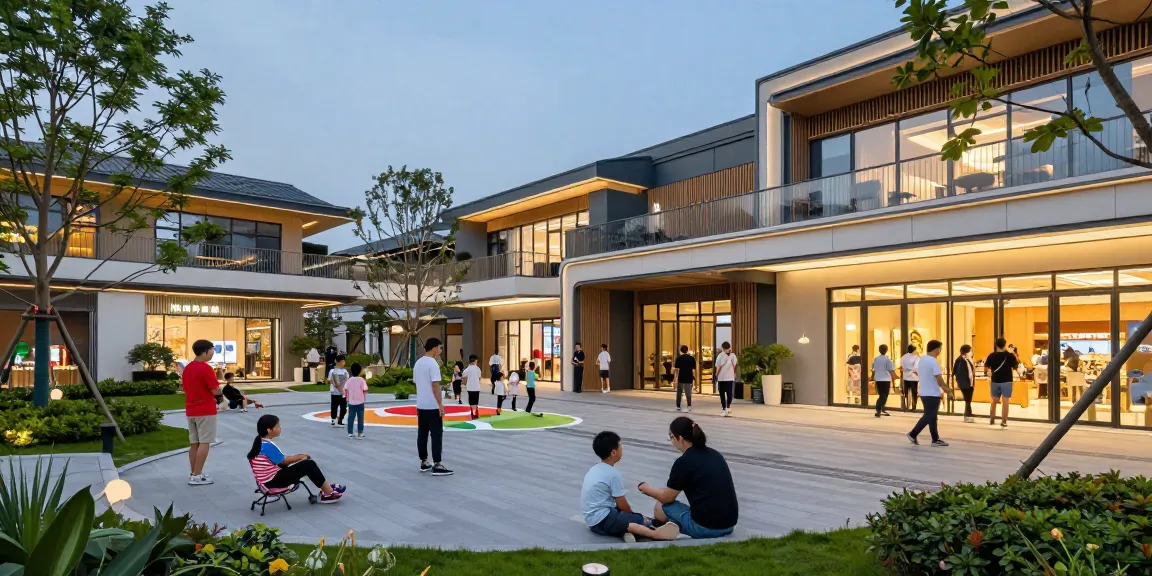
Understanding the Modern Commercial Property Landscape
The commercial property landscape is undergoing a significant transformation, especially with the rise of entertainment spaces integrated into versatile environments. As businesses increasingly seek to create all-encompassing experiences for customers, the necessity for modern commercial properties that can accommodate diverse needs has never been greater. This shift is not only changing how commercial properties are designed but also influencing their profitability and market value. For insights on advanced commercial property options, www.mgoldproperties.com offers comprehensive resources to help navigate this evolving landscape.
What Defines Modern Commercial Properties?
Modern commercial properties are defined by their ability to blend functionality with innovative design. These spaces often incorporate cutting-edge technology and sustainable practices, catering to both business and leisure. Key characteristics of modern commercial properties include:
- Flexibility: Spaces can be adapted for various uses, from retail to entertainment.
- Sustainability: Environmentally friendly materials and energy-efficient systems are paramount.
- Technology integration: Smart features such as automated lighting and climate control enhance user experience.
Trends in Entertainment Spaces for 2026
As we look toward 2026, several key trends are expected to shape the development of entertainment spaces within commercial properties:
- Multi-purpose venues: Spaces that combine dining, shopping, and entertainment are on the rise, catering to diverse audiences.
- Experiential marketing: Businesses are increasingly focusing on creating memorable experiences through interactive design.
- Health and wellness facilities: Integrating fitness and wellness options is becoming essential to attract health-conscious consumers.
Identifying Key Challenges for Developers
Despite the opportunities, developers face numerous challenges in modern commercial property development:
- Rising costs: Construction and operation costs are increasing, necessitating careful financial planning.
- Regulatory hurdles: Navigating complex zoning laws and regulations can delay projects.
- Market volatility: Fluctuating consumer preferences require developers to be agile and adaptable in their strategies.
Strategies for Successful Commercial Development
Best Practices in Property Development
To achieve success in commercial property development, applying best practices is crucial:
- Thorough market research: Understanding local demographics and market trends helps inform property design and functionality.
- Stakeholder engagement: Involving community members in the planning phase fosters goodwill and enhances project acceptance.
- Utilizing technology: Embracing smart technologies can significantly enhance operational efficiency and tenant experience.
Community Needs and Engagement Strategies
Engaging with the community not only enriches the development process but also enhances the property’s value:
- Public forums: Hosting meetings to gather input from local residents helps shape the project to meet community needs.
- Collaborative partnerships: Working with local businesses can create a supportive ecosystem that boosts foot traffic and investment.
- Feedback loops: Implementing systems for ongoing feedback post-development ensures that the property remains responsive to community needs.
Optimizing Space for Entertainment and Business
To attract tenants and customers alike, optimizing space is essential:
- Flexible layouts: Design spaces that can easily be reconfigured for various events and uses.
- Outdoor integration: Utilizing outdoor areas for events and relaxation can enhance the appeal of commercial properties.
- Focus on amenities: Providing attractive amenities, such as lounges and communal spaces, can improve tenant satisfaction.
Navigating Legal and Financial Aspects
Understanding Zoning Laws and Regulations
Navigating the legal landscape is paramount for developers:
- Zoning classification: Familiarity with local zoning laws determines what can be built and how properties can be utilized.
- Permitting processes: Understanding the necessary permits and approvals can prevent costly delays.
- Compliance requirements: Adhering to safety and environmental regulations is essential to avoid legal troubles.
Financing Options for New Developments
Securing financing is one of the most critical aspects of commercial property development:
- Traditional loans: Banks and financial institutions offer a variety of options, but require detailed business plans.
- Private investors: Attracting private equity can provide essential capital, but may involve relinquishing some control.
- Crowdfunding: New platforms allow developers to raise funds from the public, democratizing access to financing.
Risk Management Strategies in Property Investment
Investing in commercial properties involves inherent risks, necessitating robust risk management strategies:
- Diversification: Investing in various property types can mitigate losses from market downturns.
- Insurance coverage: Adequate insurance protects against unforeseen events that could impact property value.
- Contingency planning: Preparing for market changes with flexible strategies can shield investors from significant losses.
Marketing Your Commercial Property Effectively
Building an Online Presence for Success
In today’s digital age, a strong online presence is non-negotiable for commercial properties:
- Website optimization: Ensuring your website is user-friendly and informative helps attract potential tenants and buyers.
- Search engine optimization (SEO): Utilizing SEO strategies enhances visibility in search engines, driving organic traffic to your site.
- Content marketing: Regularly publishing informative content can establish authority and engage your audience.
Utilizing Social Media for Local Engagement
Social media platforms offer unique opportunities for engagement:
- Targeted ads: Running ads aimed at local businesses can drive interest and inquiries.
- Community interactions: Engaging with local events and issues through social media builds community relationships.
- Showcasing properties: Regular updates showcasing properties through photos and videos can generate excitement among potential tenants.
Measuring the Impact of Marketing Campaigns
Understanding the effectiveness of your marketing strategies is crucial:
- Key performance indicators (KPIs): Identifying and tracking KPIs can help gauge the success of various campaigns.
- Customer feedback: Gathering feedback post-campaign provides insights into what resonates with your audience.
- A/B testing: Running different versions of campaigns allows for optimizing strategies based on real data.
Future-Proofing Your Commercial Investments
Emerging Technologies in Real Estate
The real estate sector is continually evolving, with emerging technologies reshaping development and management:
- Artificial intelligence: AI can enhance property management through predictive analytics and automated maintenance alerts.
- Virtual reality: VR technology is revolutionizing property tours, providing immersive experiences for potential tenants.
- Blockchain: Applications of blockchain in property transactions can streamline processes and ensure transparency.
Adapting to Environmental Changes and Sustainability
Sustainability is not just a trend; it’s critical for future developments:
- Green building certifications: Pursuing certifications such as LEED can improve marketability and reduce operational costs.
- Renewable energy solutions: Integrating solar panels and other renewable resources can significantly reduce carbon footprints.
- Sustainable materials: Choosing eco-friendly materials can enhance the longevity and appeal of properties.
Forecasting Market Trends for 2027 and Beyond
Looking ahead, developers must be prepared for shifting market dynamics:
- Urbanization: As urban populations grow, demand for commercial properties in city centers will increase.
- Health-focused spaces: Properties that promote health and wellness will become more prominent as consumer priorities shift.
- Remote work trends: Adapting office spaces to cater to hybrid working arrangements is essential for attracting tenants.
What are the key benefits of investing in commercial properties?
Investing in commercial properties can yield significant returns, including:
- Stable income: Commercial properties often have longer lease terms, providing consistent cash flow.
- Appreciation potential: Real estate typically appreciates over time, adding value to the initial investment.
- Tax advantages: Investors may benefit from various tax deductions, improving net income.
How does community engagement impact property value?
Community engagement can greatly enhance property value through:
- Increased demand: Properties that meet community needs are more desirable, leading to higher occupancy rates.
- Positive perceptions: Engaged developments foster goodwill, increasing overall property values.
- Long-term sustainability: Properties that are responsive to community feedback are better positioned for long-term success.
What are the financial risks of commercial development?
Financial risks in commercial development can include:
- Cost overruns: Unexpected expenses can impact profitability and project feasibility.
- Market shifts: Changes in consumer preferences or economic downturns can affect demand and rental rates.
- Regulatory changes: New regulations can impose additional costs or delay project timelines.
How can developers adapt to changing market needs?
Developers can remain agile by:
- Conducting regular market analysis: Staying informed about market trends allows for proactive adjustments in strategy.
- Engaging with tenants: Regular communication with tenants helps anticipate their evolving needs.
- Implementing feedback mechanisms: Creating platforms for feedback ensures that developments align with market demands.
What technologies are transforming the commercial property sector?
Key technologies impacting the commercial property sector include:
- Property management software: Streamlining operations and improving tenant relations through efficient management systems.
- Data analytics: Leveraging data to make informed decisions regarding investments and property management.
- Smart building technologies: Enhancing user experience and energy efficiency through smart systems.