Introduction to Australia and Its Diverse Landscape
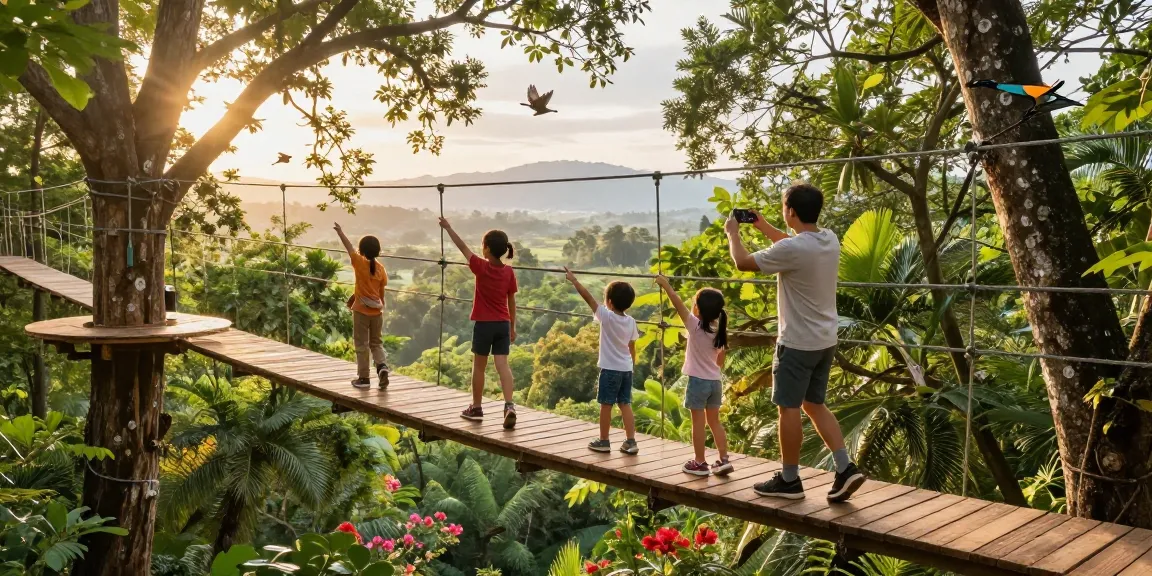
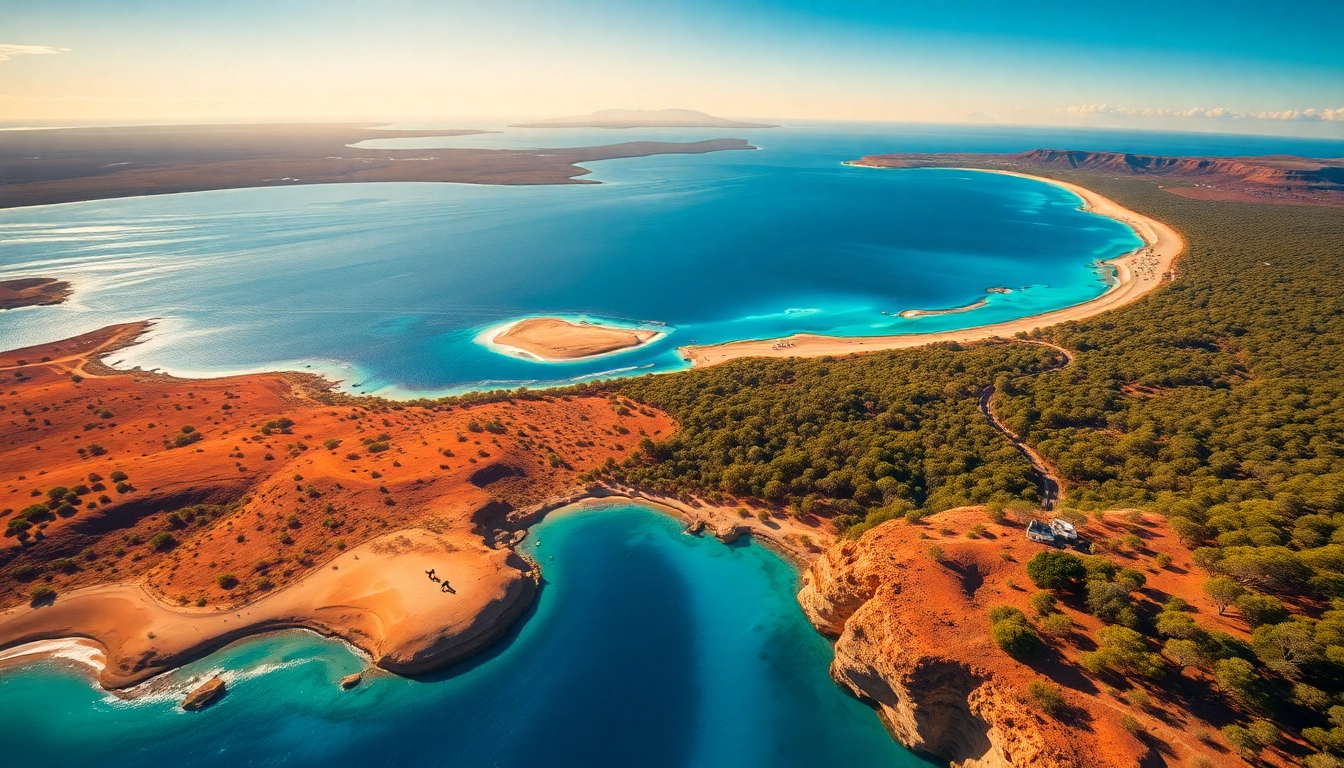
Australia is a land of contrasts and vibrant diversity, known for its breathtaking landscapes, unique wildlife, and rich cultural heritage. As the sixth-largest country in the world, its geographical vastness encompasses an array of climates and environments, from lush rainforests to arid deserts. In every corner of Australia, there are intriguing aspects waiting to be discovered. Whether you're interested in exploring Australia’s natural wonders or understanding its cultural fabric, the country has something to offer for everyone. Australia is indeed a destination of choices, showcasing the interplay between nature and civilization.
Geography and Climate of Australia
Australia's geography is marked by its vastness and varying landscapes. From the iconic Outback to coastal cities, the country's topography plays a significant role in shaping its climate and ecology. Generally, the country experiences a range of climates: tropical in the north, arid in the interior, and temperate along the southeastern coastal regions.
The Great Dividing Range, which runs along the eastern coastline, influences weather patterns, leading to rich rainfall in some areas while leaving others, particularly the interior, to be categorized as desert. Understanding these geographic elements is essential as they underpin many of Australia's unique ecosystems.
Unique Wildlife Native to Australia
Australia is known as a biodiversity hotspot, home to many species that are found nowhere else on Earth. The country boasts a plethora of unique wildlife, including kangaroos, koalas, and various marsupials. Australia's isolation has fostered a wide array of flora and fauna, making it an ecological treasure.
Furthermore, the Great Barrier Reef, the world's largest coral reef system, contributes significantly to both biodiversity and tourism. Protecting these species and the environments they inhabit is crucial, especially as climate change poses severe threats to habitats across Australia.
Cultural Heritage and Indigenous Communities
The cultural landscape of Australia is as rich and diverse as its geography. Indigenous Australians have inhabited the continent for over 65,000 years, possessing distinct languages, traditions, and spiritual beliefs. Their stories and art reveal an intricate connection to the land that underpins their cultural identity.
Contemporary Australia is a multicultural society, influenced by waves of immigration that have contributed to its cosmopolitan flavor. Cities like Melbourne and Sydney are melting pots of cultures, food, and traditions, celebrating inclusivity while paying homage to their Indigenous roots.
Economic Overview of Australia
As one of the wealthiest nations globally, Australia's economy is robust and diverse, characterized by its service and resource sectors. The country has remarkably maintained a growth trend for nearly three decades, demonstrating resilience in various economic climates.
Key Industries Driving Australia's Economy
Key industries such as mining, agriculture, and services play pivotal roles in driving Australia’s economy. The mining sector, driven by the extraction of minerals and energy resources, accounts for a significant portion of the nation’s exports. Additionally, healthcare, finance, and education represent major contributors to the GDP.
Australia is also increasingly focusing on transitioning to a more sustainable economy, investing in renewable energy and technology sectors that promise growth potential and job creation in the future.
Cost of Living in Major Australian Cities
The cost of living in Australia varies significantly depending on the city. Major urban centers like Sydney and Melbourne are known for their high living costs, often making headlines as some of the world's most expensive cities. Housing, healthcare, and education expenses can place a considerable strain on residents.
In contrast, smaller cities and towns across the country often provide a more affordable lifestyle while maintaining access to essential services and amenities. Understanding these dynamics is critical for both residents and potential immigrants.
Labor Market and Employment Trends
The Australian labor market has shown resilience, adapting to global economic changes while maintaining low unemployment rates. Job sectors such as healthcare, technology, and education are experiencing growth, driven by population needs and technological advancements.
Moreover, the gig economy has gained traction, especially among younger generations, promoting flexibility in work arrangements. However, challenges such as underemployment remain, necessitating ongoing policy discussions to enhance job security and availability.
Tourism in Australia: A Traveler’s Guide
Australia draws millions of visitors each year, enchanting them with its diverse landscapes, vibrant cities, and warm hospitality. The tourism sector is a significant driver of the economy, contributing to local jobs and fostering global connections.
Top Destinations for Visitors in Australia
Top attractions include iconic sites such as the Sydney Opera House, Great Barrier Reef, and Ayers Rock (Uluru), each offering unique experiences of Australia's cultural and natural heritage. Coastal cities such as Brisbane and Perth add to the allure, featuring stunning beaches and recreational opportunities that invite adventure.
Additionally, Australia's national parks preserve its unique ecosystems and biodiversity, providing opportunities for hiking, wildlife spotting, and enjoying nature at its finest.
Unique Experiences and Activities
Travelers can engage in various activities, from scuba diving in the Great Barrier Reef to exploring the rugged Outback. Cultural experiences such as participating in a traditional Indigenous ceremony or indulging in local culinary delights enhance the journey, creating lasting memories.
Wildlife enthusiasts can take guided tours to observe native species in their natural habitats, reinforcing Australia's reputation as a biodiversity hotspot.
Travel Tips for Exploring Australia
Traveling in Australia requires some planning. Spanning different time zones and vast distances, understanding local transportation options is essential. Domestic flights and long-distance buses are popular for navigating the country efficiently.
Moreover, embracing local customs and traditions enhances the travel experience. Engaging with local communities, respecting Indigenous culture, and supporting sustainable tourism practices are vital for making genuine connections and preserving Australia's beauty.
Australia's Role in the Global Community
Australia holds an influential position in international relations, playing an active role in various global forums and initiatives. Its strategic location, coupled with its economic prowess, makes it a key player in the Asia-Pacific region and beyond.
International Relations and Trade
Australia maintains strong diplomatic ties with numerous countries, engaging in trade agreements that enhance its economic landscape. Key export partners include China, Japan, and the United States, driving growth in sectors such as agriculture and mining.
Through active participation in international organizations, including the United Nations and the World Trade Organization, Australia addresses issues ranging from climate change to global security.
Contributions to Global Issues
Australia is committed to addressing significant global challenges like climate change, health crises, and humanitarian efforts. The nation seeks to lead in sustainable practices, emphasizing renewable energy and conservation efforts while providing foreign aid to developing nations.
Engagement with global health initiatives, particularly during pandemics, reflects Australia’s dedication to international cooperation and support.
Australia’s Multicultural Society
The multicultural fabric of Australia enriches its society, showcasing a blend of traditions, languages, and cuisines. Immigration has shaped Australian identity, fostering inclusivity and cultural exchange.
This vibrant mix celebrates diversity, with festivals and events reflecting the traditions of various communities, making Australia not just a nation, but a cultural mosaic.
Future Trends for Australia
The future of Australia appears promising, yet it faces challenges and opportunities as it navigates the complexities of a changing global landscape. Innovations in technology and sustainability will play pivotal roles in shaping its economic and social development.
Environmental Challenges and Conservation Efforts
Like many nations, Australia grapples with environmental issues including climate change, deforestation, and loss of biodiversity. Increased temperatures and changing weather patterns threaten its ecosystems.
Conservation efforts are critical. Australia invests in sustainable practices that aim to protect its unique wildlife and landscapes, ensuring that future generations can experience the natural beauty that defines the continent.
Innovation and Technology Growth in Australia
As a leader in innovation, Australia fosters a thriving technology sector that embraces advancements in artificial intelligence, biotechnology, and renewable energy. The nation supports research and development, encouraging startups and established companies alike to push boundaries.
These technological strides aim to address both local and global challenges, positioning Australia as a contender in the competitive global market.
Projections for Economic and Social Development
Looking ahead, Australia is poised for growth, with projections indicating steady economic development bolstered by strategic investments in education, infrastructure, and sustainability. Focus on social equity is also essential as the nation strives to create opportunities for all its citizens.
By maintaining a proactive stance in addressing socio-economic disparities, Australia can ensure inclusive growth that reflects its multicultural identity.
FAQs about Australia
What is the best time to visit Australia?
The best time to visit Australia depends on your destination, but generally, spring (September to November) and autumn (March to May) offer pleasant weather across many regions.
Is Australia a safe country to travel to?
Australia is considered a safe destination for travelers, with low crime rates and a reliable healthcare system. Basic precautions, as in any country, are advised.
What languages are spoken in Australia?
The primary language spoken in Australia is English. However, you'll also find numerous Indigenous languages and a variety of languages spoken due to the multicultural society.
What currency is used in Australia?
The currency in Australia is the Australian Dollar (AUD). Credit cards are widely accepted, and ATMs are available in urban areas.
Is it necessary to have a visa to visit Australia?
Most travelers need a visa to enter Australia. The requirements vary based on your nationality and the purpose of your visit; it's essential to check the latest visa regulations.