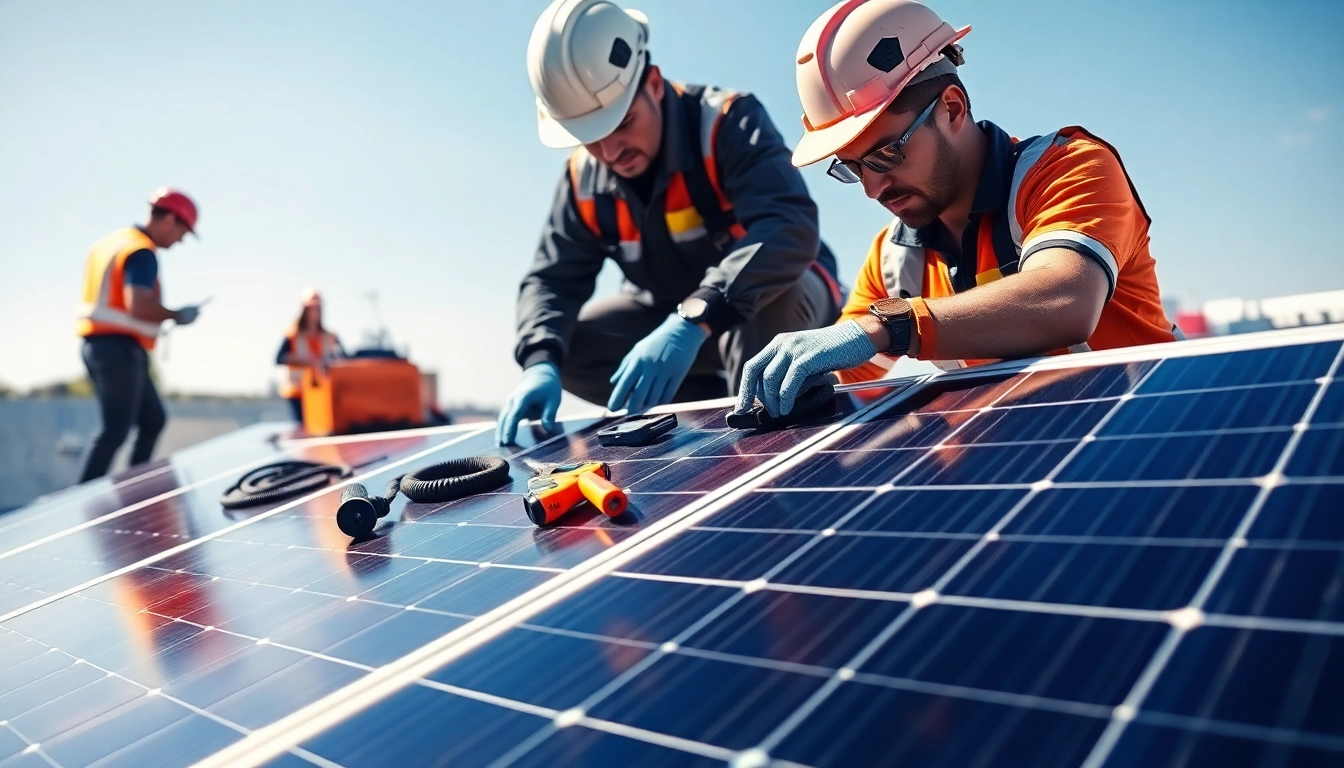
Understanding Emergency Solar Panel Repair
In an increasingly energy-dependent world, solar power offers a sustainable and cost-effective solution for households and businesses alike. However, just like any other electrical system, solar energy setups can face issues that may require immediate attention. This is where emergency solar panel repair comes into play. Understanding what qualifies as an emergency and how to handle it can save you time, money, and grief.
What Constitutes an Emergency Solar Panel Repair?
An emergency solar panel repair typically refers to urgent situations that threaten the functionality of your solar energy system. Examples include severe physical damage from storms or accidents, system failures leading to safety hazards like electric shocks or fire risks, or major performance issues that significantly reduce energy output. Understanding these parameters is crucial, as not every malfunction mandates immediate action. However, when your system stops producing power or presents safety risks, swift repair is necessary.
Common Causes of Solar Panel Emergencies
The causes of solar panel emergencies can vary widely, but the most common factors include:
- Weather-Related Events: Severe storms, hail, snow accumulations, and high winds can physically damage panels, inverters, or the mounting system.
- Electrical Failures: Issues with inverters, wiring, or even sudden power surges can lead to immediate system failure.
- Animal Interference: Birds or rodents chewing through wiring or nesting on panels can cause significant issues.
- Improper Installation: Faulty setups can lead to increased wear and tear, making your system vulnerable to emergencies.
Initial Steps to Take During an Emergency
When faced with an emergency, your first step should be to ensure safety. If you observe smoke, sparks, or unusual noises, turn off the system immediately and disconnect it from the grid, if possible. Next, evaluate the situation—determine whether it’s a simple issue or one that requires professional help. Remember, never attempt repairs on a damaged system unless you are a qualified technician.
Recognizing Signs of Damage
Being able to identify signs of damage early on can significantly mitigate issues and reduce repair costs. Regular inspections and awareness are key to system longevity.
Performance Indicators for Emergency Solar Panel Repair
Some performance indicators that could suggest the need for emergency solar panel repair include:
- A Sudden Drop in Energy Output: A significant decrease in power generation compared to previous months may indicate damage.
- Visible Physical Damage: Broken or cracked panels should be addressed immediately to avoid further issues.
- Frequent System Alerts: Warning signals from your monitoring system can indicate faults requiring prompt attention.
- Unusual Sounds: Clicking, buzzing, or sizzling noises may suggest electrical issues.
How to Assess Damage Before Help Arrives
If safe to do so, you can perform a basic visual inspection. Look for cracks, discolored areas, or loose connections. Check for debris accumulation or shading from nearby trees, which can impact performance. However, be cautious of energized components and avoid climbing onto rooftops or making contact with electrical connections.
Safety Precautions During Inspection
Safety is paramount when inspecting solar panels. Always ensure you are wearing proper personal protective equipment (PPE) such as gloves and safety glasses. Never touch broken panels or exposed wires. Always stay grounded and ensure your feet are on a non-conductive surface if you approach any system components.
Emergency Repair Procedures
Knowing how to respond during an emergency can make a significant difference in the outcome of your solar panel issues.
Immediate Actions: DIY vs. Professional Help
While minor issues like cleaning panels or adjusting angles can be handled with basic knowledge, serious emergencies such as electrical faults or significant physical damage necessitate professional intervention. If you encounter a situation that involves potential electric hazards, always call a certified technician.
Tools Required for Emergency Solar Repairs
If you’re equipped to tackle minor repairs, having the right tools on hand is essential. Basic tools might include:
- Multimeter for checking electrical output.
- Screwdrivers and wrenches for tightening bolts or connections.
- Safety gloves and goggles for personal protection.
- Cleaning supplies if debris is causing shading on solar panels.
How to Communicate with Repair Technicians
Effective communication with repair technicians can expedite the emergency repair process. When reaching out, provide detailed information about the symptoms, any visible damages, and the maintenance history of your system. This will help them diagnose the problem quickly and accurately.
Cost Considerations for Emergency Repairs
Understanding the financial aspects of emergency repairs can be crucial in managing the overall cost of solar maintenance.
Average Costs of Emergency Solar Panel Repair
The cost of emergency solar panel repair can vary greatly depending on the extent of the damage and the area where you live. On average, homeowners might expect to spend anywhere from $400 to $1500 for repairs. This includes labor, parts, and potential service fees.
Factors Affecting Repair Pricing
Several factors can influence repair costs, including:
- Type of Damage: Extensive damage typically results in higher repair costs.
- Location: Service fees may differ based on your geographical area and the availability of technicians.
- Time of Repair: Emergency services can incur higher charges than scheduled maintenance calls.
Insurance and Warranty Implications
Understanding your insurance and warranty policies can provide financial relief in emergencies. Many solar panel manufacturers offer warranties that cover repairs for a set period. Additionally, some home insurance policies may cover damages due to natural disasters, so it's worth checking your coverage ahead of time.
Preventive Measures and Maintenance
Preventing emergencies before they arise is far more cost-effective than managing repairs post-incident. Establishing a proactive maintenance routine can significantly extend the life and efficiency of your solar system.
Regular Maintenance to Avoid Emergencies
Regular maintenance practices include cleaning panels, checking for loose connections, and inspecting the condition of inverters. Scheduling annual inspections with a certified technician can also determine the overall health of your solar energy system and catch potential problems early.
Upgrades and Inspections: Best Practices
Consider integrating technology such as smart monitoring systems that provide real-time data about your solar energy output. Regular upgrades to newer technologies can enhance performance and reduce the risk of unexpected failures. Consistent inspections - ideally bi-annually - can yield significant benefits in identifying component wear and tear before it leads to significant damage.
Community Resources for Emergency Support
Engaging with community support resources can be beneficial in emergencies. Many local non-profit organizations and governmental entities offer resources for solar panel technology. Building a network for knowledge sharing and support can ensure you stay informed about emergency preparedness and best practices for solar panel maintenance.
FAQs about Emergency Solar Panel Repair
What should I do first in a solar panel emergency?
The first step is ensuring safety. Turn off the system if safe to do so and disconnect it from the grid. Assess the situation and call for professional help if needed.
Can I fix broken solar panels myself?
Minor issues can sometimes be handled by homeowners, such as cleaning or tightening connections. However, significant damages, especially electrical issues, should be addressed by a qualified technician.
What are the costs associated with emergency repairs?
Costs can vary widely, typically ranging from $400 to $1500, depending on the extent of the damage, the technician's fees, and the required parts.
How can I identify if my solar panel is damaged?
Signs include a drop in energy output, physical damage, unusual sounds, and frequent system alerts. Regular visual inspections can help identify these issues early.
What preventive measures can I take?
Regular maintenance, timely inspections, and possible technology upgrades can help mitigate risks. Keeping panels clean and ensuring proper installation are essential preventive practices.