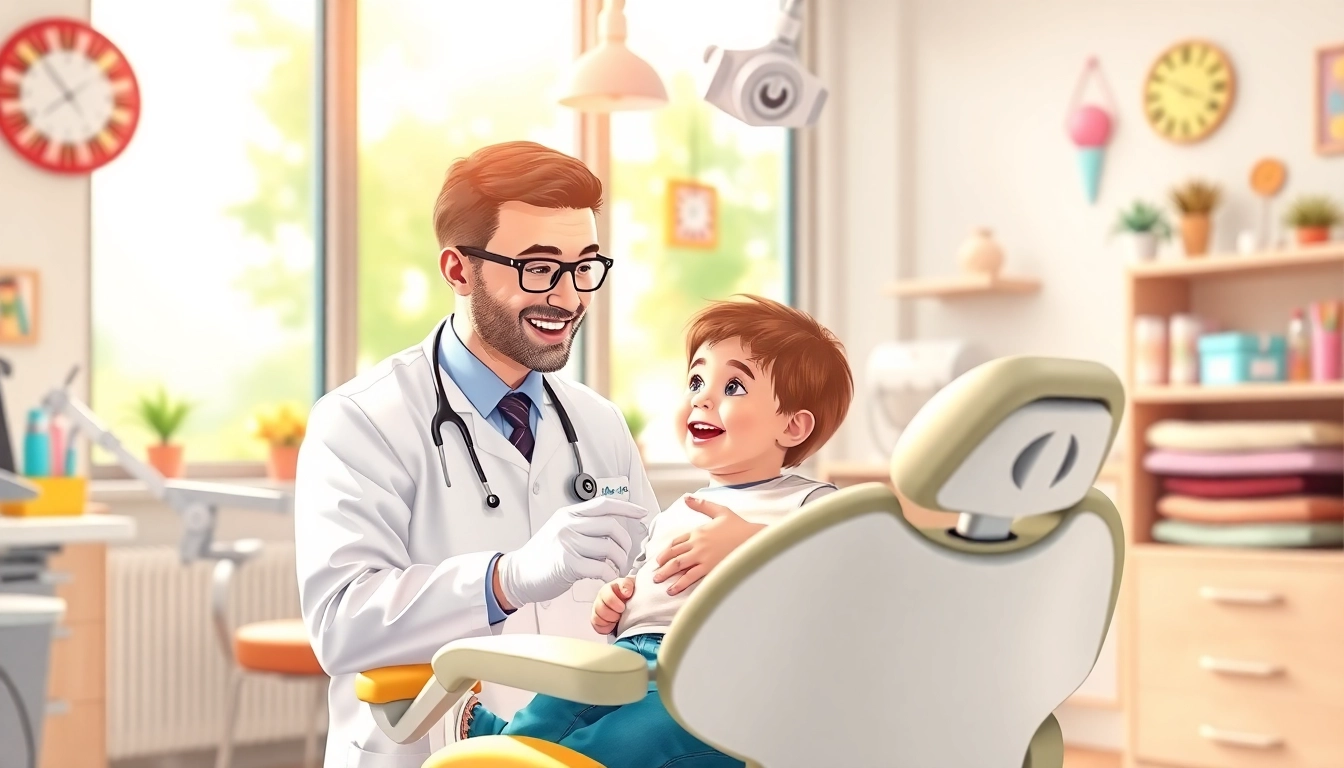
Understanding Family Dentistry
Family Dentistry represents a specialized branch of dental care focused on providing services to patients of all ages, from toddlers to seniors. Its approach centers on preventive care, routine check-ups, and a variety of dental treatments catered specifically to different life stages. At the core of this practice is a commitment to fostering long-term relationships with patients and ensuring that each family member receives personalized care tailored to their specific needs. This article dives into the intricacies of Family Dentistry and explores why choosing a family-dedicated dental practice can significantly enhance your overall oral health.
For more comprehensive insights, you can explore our perspective on Family Dentistry, which prioritizes the unique needs of every family member.
What is Family Dentistry?
Family Dentistry encompasses a wide range of dental services aimed at maintaining oral health for patients across various age groups. Unlike specialized practices that target specific age brackets, family dentists are trained to address the dental challenges of both children and adults. This includes preventive services like cleanings and exams, restorative work such as fillings and crowns, and cosmetic treatments like teeth whitening.
The expertise of a family dentist allows them to provide a nurturing environment where children can learn about dental health, while also meeting the restorative and preventive needs of adults. This multifaceted approach promotes a holistic view of oral health, striking a balance between routine care and specialized treatments.
Benefits of Choosing Family Dentistry
Opting for Family Dentistry offers several significant advantages that simplify the dental care process for families:
- Comprehensive Care: Family dentists offer a wide range of services, meaning families can receive all necessary treatments at one location.
- Convenient Scheduling: Family practices often accommodate appointments for multiple family members on the same day, reducing the need for multiple visits.
- Comfort and Familiarity: Families can build a trusting relationship with their dentist over time, which is crucial for young patients.
- Preventive Focus: By addressing dental issues proactively, family dentistry helps in preventing serious health concerns later on.
Difference Between Family and General Dentistry
While both family and general dentistry focus on maintaining oral health, the key difference lies in the scope of care. General dentistry primarily deals with diagnosing and treating dental issues in adult patients. In contrast, family dentistry is designed to cater to patients of every age, addressing specific needs that arise throughout different life stages. For instance, a family dentist may provide pediatric care, which includes monitoring the development of children's teeth, as well as offering more complex restorative work for older patients.
This broad focus enables families to receive cohesive care, ensuring that all needs are met in a single practice, simplifying the logistics surrounding dental health.
Services Offered in Family Dentistry
Family dentistry encompasses a comprehensive array of services designed to meet the diverse needs of patients. Below are some of the key services typically offered.
Comprehensive Dental Exams and Cleanings
Regular dental exams and cleanings are foundational elements of family dentistry. They allow dentists to identify and address potential issues before they escalate into significant problems. The typical exam includes a thorough visual examination, X-rays, and a discussion about any symptoms a patient may be experiencing.
During these visits, dentists complete professional cleanings, removing plaque and tartar buildup, which can lead to cavities and gum disease if left untreated. Establishing a consistent routine of exams and cleanings supports lifelong oral health.
Pediatric Dentistry: Caring for Young Smiles
Pediatric dentistry is a vital component of family health, ensuring that children's unique dental requirements are met as their teeth grow and develop. In addition to routine cleanings and exams, pediatric dentists provide guidance on oral hygiene, nutrition, and the developmental changes children experience.
Additionally, pediatric specialists are experienced in handling the anxieties that children may face during dental visits, creating a more positive experience that encourages lifelong good dental habits.
Orthodontics: Options for All Ages
Many family dentistry practices also offer orthodontic services, which cater to correcting misaligned teeth and jaws. Orthodontic evaluations can begin in childhood, allowing dentists to monitor the alignment of teeth and recommend appropriate interventions, including braces or retainers, at the right time.
Modern orthodontics offers a variety of options, including traditional metal braces, ceramic braces, and clear aligners, making it easier for patients of all ages to find a suitable solution for their needs.
Choosing the Right Family Dentist
Selecting a family dentist is a crucial decision that can affect your family's oral health. Here are some key factors to consider when making your choice.
Key Qualities to Look For
When searching for the right family dentist, consider these important qualities:
- Experience: Look for a dentist with a strong background in treating patients of varying ages.
- Communication: Effective communication fosters trust. A good dentist should explain procedures and make patients feel comfortable.
- Compassion: A caring approach is especially important for treating children and anxious patients.
- Office Atmosphere: The dental environment should be welcoming and accommodating for both children and adults.
How to Evaluate Dentist’s Experience
Assessing a dentist's experience involves researching their credentials, continuing education, and areas of specialization. A practiced dentist may have a portfolio that showcases their work. Additionally, participating in professional organizations, such as the American Dental Association, signifies a commitment to ongoing learning and adherence to best practices.
Reading Reviews and Recommendations
Online reviews can provide insights into a dentist’s reputation. Look for comments about the practice’s service quality, office environment, and staff friendliness. Personal recommendations from friends or family members also serve as valuable resources. Positive referrals indicate that a dentist values patient satisfaction and provides high-quality care consistently.
Tips for Maintaining Oral Health at Home
While professional dental care is important, maintaining oral health at home plays a crucial role as well. Here are some essential tips that families should follow.
Importance of Regular Brushing and Flossing
Brushing twice a day and flossing daily are fundamental practices for oral hygiene. Using fluoride toothpaste helps strengthen tooth enamel while removing food particles and plaque prevents decay and gum disease. Teaching children proper brushing techniques early on is key to establishing good habits that last a lifetime.
Healthy Diet for Strong Teeth
The food and beverages consumed directly impact oral health. A diet rich in fruits, vegetables, whole grains, and lean proteins will provide vital nutrients essential for strong teeth and gums. Minimizing sugar intake and avoiding sticky foods can also reduce the risk of cavities and tooth decay.
Regular Dental Check-ups: A Must
Timely dental check-ups are an integral part of any oral health plan. These regular appointments help catch issues early, allowing for simpler and often less invasive treatments. A typical recommendation is to schedule dental visits at least twice a year for comprehensive exams and cleanings.
Frequently Asked Questions
What age should children first visit the dentist?
Children should have their first dental visit by their first birthday or within six months after their first tooth erupts. Early visits promote healthy dental habits.
How often should I get a dental check-up?
It’s generally recommended to visit the dentist every six months for regular check-ups and cleanings, but your dentist might suggest a different schedule based on your needs.
Are dental x-rays safe for my family?
Yes, modern dental x-rays use very low levels of radiation. They are essential for diagnosing issues not visible during a standard exam and are considered safe.
Can family dentistry handle orthodontic needs?
Absolutely! Many family dentists offer orthodontic services, ensuring that all family members can receive comprehensive care in one practice.
What should I look for when choosing a family dentist?
Consider their experience, communication skills, office environment, and patient reviews. Finding a dentist who makes you and your family feel comfortable is crucial.