Understanding the Genie Boom
What is a Genie boom?
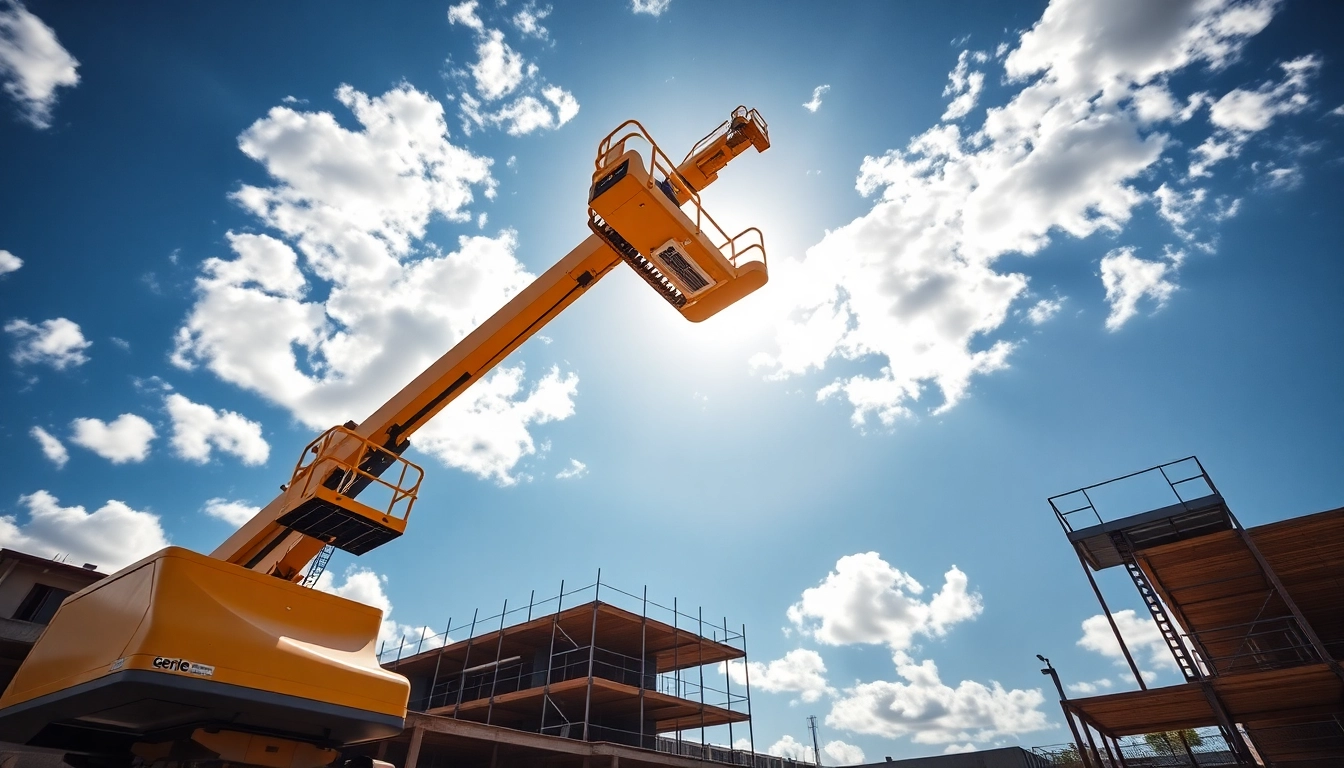
The genie boom is an aerial lift designed to offer exceptional vertical and horizontal reach, making it indispensable for various industries, including construction, maintenance, and even entertainment. It operates on hydraulics, enabling smooth and precise lifts to considerable heights. Depending on the model, a genie boom can typically reach between 40 to over 150 feet, allowing users to conveniently access difficult-to-reach areas.
Key features of the genie boom
One of the defining characteristics of the genie boom is its articulating or telescoping capability. The articulating design permits the boom to navigate obstacles and lift materials between structures, while telescopic models extend straight up to achieve greater heights and horizontal outreach. Other essential features include:
- Robust Load Capacity: Depending on the model, the genie boom can generally carry a platform capacity ranging from 660 lbs to 1,000 lbs, making it suitable for heavy loads.
- Advanced Operator Controls: Many genie booms are integrated with smart technology that enhances operator safety and control, making them user-friendly.
- Compact Design: Certain models are designed to be compact, making them suitable for confined spaces.
- All-Terrain Capability: Some genie boom models come equipped with four-wheel drive, making them suitable for rough terrain.
Common applications of the genie boom
The versatility of the genie boom lends itself to a broad range of applications:
- Construction: They are routinely utilized to reach elevated workstations, install materials, and conduct repairs on buildings.
- Facility Maintenance: Ideal for accessing high ceilings and performing maintenance on HVAC systems, lighting, and roofing.
- Film and Event Production: Genie booms provide high-level lighting and camera angles that are crucial for cinematography.
- Tree Care: Arborists frequently use genie booms to reach and maintain tree canopies.
Choosing the Right Genie Boom for Your Needs
Factors to consider when selecting a genie boom
When selecting a genie boom, several factors should influence your decision:
- Height Requirement: Assess the maximum height you need for your specific application. Models vary significantly in vertical reach.
- Load Capacity: Understand weight requirements for lifting materials and personnel. The selected model should easily accommodate these needs without exceeding limits.
- Mobility Requirements: Determine whether you need a model capable of traversing uneven terrain or if a standard model will suffice.
- Indoor vs. Outdoor Use: Some genie booms are designed for outdoor rugged use, while others are suited for indoor use due to their compact size and clean operation.
Comparing models of genie boom
There are multiple models of genie booms, each designed with specific features suited for different applications. Compare features such as reach, load capacity, lifting speed, and safety mechanisms to ensure you pick the right model for your project.
Articulating genie booms, for instance, excel in maneuverability in tight spaces, while telescopic models provide superior reach for open spaces. Look at specifications and performance metrics to find the best fit for your needs.
Cost considerations for genie boom rentals
Understanding the financial implications of renting versus buying a genie boom is vital. Rental costs can vary significantly based on location, model, and rental duration. Key factors to keep in mind include:
- Rental Duration: Longer rentals may come with discounts, making it financially advantageous if your project duration is extended.
- Transportation Fees: Factor in any costs associated with transporting the genie boom to and from your site.
- Insurance Costs: Temporary coverage for the period of use may be necessary, affecting the overall rental price.
- Damage Waivers: Some rental contracts may offer damage waivers for additional funds, which can be beneficial.
Operating the Genie Boom Safely
Essential safety tips for using genie boom
Safety is paramount when operating a genie boom. Here are several essential safety practices:
- Pre-Operation Inspection: Conduct a thorough inspection of the equipment, checking for mechanical issues, leaks, or wear and tear.
- Personal Protective Equipment (PPE): Always wear appropriate safety gear, including a helmet, harness, and protective footwear.
- Operator Training: Ensure all operators have received proper training in using the genie boom and understand safety protocols.
- Stabilization Procedures: Before lifting, properly stabilize the boom and verify ground conditions.
Maintenance practices for genie boom
Regular maintenance ensures the longevity and safe operation of the genie boom. Key practices include:
- Regular Inspections: Schedule routine checkups for mechanical components, safety devices, and hydraulic systems.
- Lubrication: Frequently lubricate moving parts according to the manufacturer's specifications.
- Battery Maintenance: Ensure the battery is fully charged and terminals are free from corrosion.
- Documentation: Keep records of maintenance and repairs to track the machine's history and schedule future servicing.
Common operational challenges
While genie booms are powerful tools, operators may face challenges, such as:
- Weather Conditions: High winds can affect stability and should be monitored closely. Operators should refrain from using the boom under severe weather conditions.
- Load Management: Overloading can lead to significant risks. Operators must be aware of weight limits and distribute loads evenly.
- Obstacles: Care should be taken to avoid obstacles while maneuvering. Planning the worksite layout in advance can mitigate this challenge.
Benefits of Using a Genie Boom Over Alternatives
Genie boom vs. traditional lifts
Compared to traditional lifts such as scaffolding or ladders, the genie boom offers distinct advantages, including:
- Higher Reach: Genie booms can surpass the reach of most traditional lifts, enhancing accessibility.
- Speed: They allow workers to ascend and descend quickly, improving productivity on job sites.
- Maneuverability: Many designs lend themselves to navigating tight or obstructed areas, which traditional lifts cannot achieve.
Efficiency gains with genie boom
Efficient material handling and worker mobility translate into significant cost savings. The genie boom allows for:
- Quick Set-Up: Genies can be set up faster than traditional lifts, minimizing downtime.
- Reduced Labor Costs: Fewer workers are needed to complete tasks thanks to enhanced lift capacity and access capabilities.
- Multi-Purpose Use: They can accommodate various job types, reducing equipment overhead.
Versatility in project applications
Genie booms are not limited to one type of project. Whether for construction, maintenance, or even creative applications like filming or photography, their versatility allows for use in:
- Residential and Commercial Construction: From roofing to painting, they cover various tasks.
- Tree Care: They provide access to tree tops for pruning and care.
- Cinematography: They enable operators to creatively navigate camera angles elevated above ground level.
FAQs about the Genie Boom
1. What is the average weight capacity of a genie boom?
Weight capacity varies by model, generally ranging from 660 lbs to 1,000 lbs.
2. How high can a genie boom lift reach?
Genie boom lifts can reach heights of up to 150 feet, depending on the model.
3. What industries commonly use genie booms?
Construction, maintenance, and film production are among the industries utilizing genie booms.
4. Are genie booms suitable for indoor uses?
Yes, many genie booms are designed for both indoor and outdoor operations.
5. What makes genie boom lifts unique?
Genie boom lifts offer extensive horizontal reach and maneuverability, ideal for difficult environments.