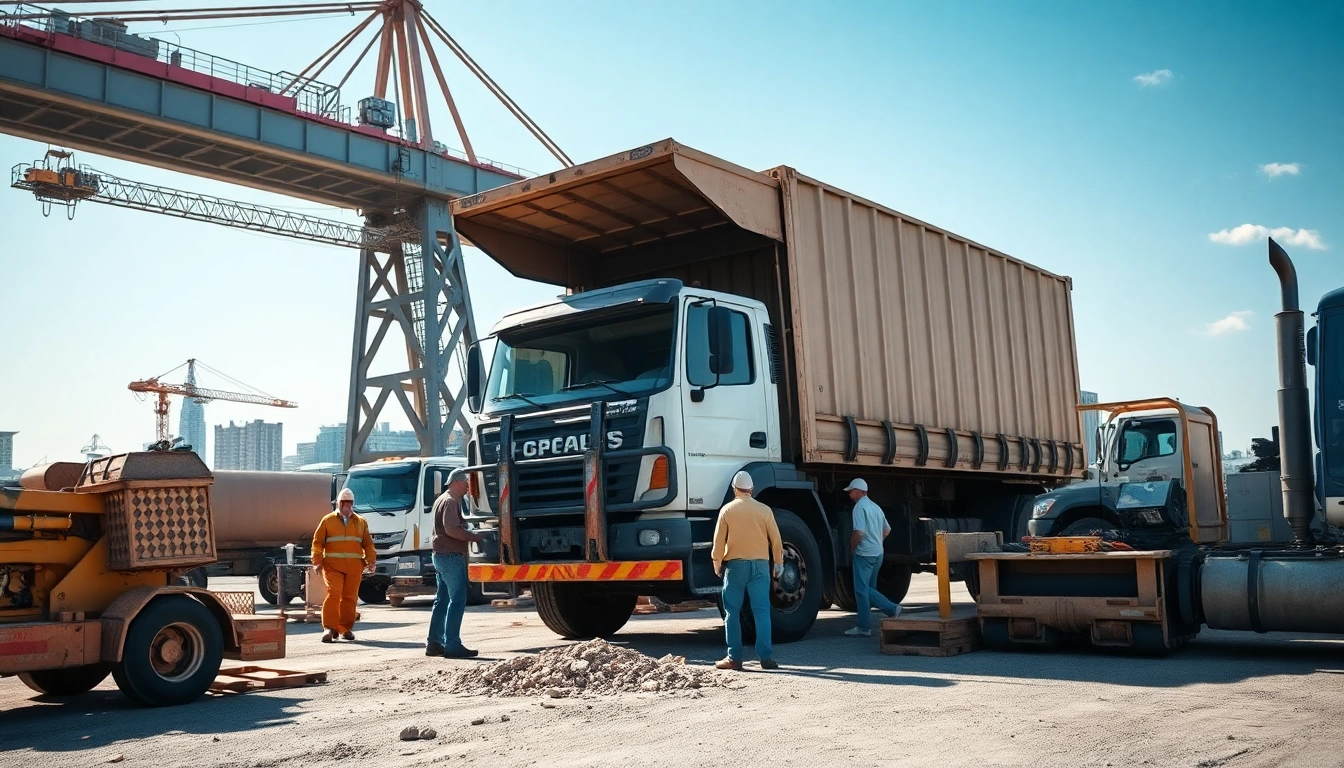
Understanding Hauling Basics
What is Hauling?
Hauling refers to the act of transporting goods or materials from one place to another, typically using a vehicle or equipment designed for carrying heavy loads. This process can involve a variety of materials, including construction debris, household items, and industrial products. Hauling is an essential service across various industries, facilitating the movement of goods efficiently and securely. Whether it’s for residential moves or commercial logistics, understanding the nuances of hauling is crucial for both service providers and consumers. To learn more about different hauling services and practices, consult reliable sources and established companies specializing in hauling.
Different Types of Hauling
Hauling can be broadly categorized into various types based on the nature of materials being transported and the vehicles used. Understanding these distinctions enhances logistics planning and operational efficiency.
- Residential Hauling: This type focuses on moving household goods, including furniture, appliances, and other personal items during relocations.
- Commercial Hauling: Involves transporting goods for businesses, including retail inventories and commercial equipment. This form often requires larger vehicles and specialized handling.
- Construction Hauling: Primarily concerned with moving heavy materials like sand, gravel, and debris from construction sites. This type often necessitates heavy-duty trucks and specialized containers.
- Industrial Hauling: Targets the movement of bulk materials and machinery within industrial settings, requiring skilled operation and compliance with safety regulations.
- Junk Hauling: Focuses on removing unwanted items from properties, including electronics and general waste, typically for recycling or disposal.
Common Tools and Equipment
To facilitate effective hauling operations, a variety of tools and equipment are utilized. These include:
- Trucks: Ranging from light-duty pickups to heavy-duty dump trucks, these vehicles are designed for transporting different types of loads.
- Trailers: Often used to increase hauling capacity; common types include flatbeds and enclosed trailers for varied applications.
- Crane Trucks: Specialized vehicles equipped with cranes for lifting heavy items and facilitating loading and unloading.
- Hand Tools: Equipment such as dollies, hand trucks, and straps are essential for safely moving and securing loads.
- Containers: Used for organizing materials during transit, containers help ensure that items are protected and accounted for.
Hauling Techniques for Efficiency
Load Management Best Practices
Effective load management is critical in hauling to optimize space, improve safety, and reduce costs. Here are some best practices:
- Weight Distribution: Ensure loads are evenly distributed within the vehicle to prevent tipping and ensure safe transport. Heavy items should be placed near the vehicle's center and low to the ground.
- Secure Loads: Utilize straps, tarps, and other securing methods to prevent shifting during transit. Check load security before departure, and monitor during transportation.
- Load Planning: Plan loads based on delivery schedules and vehicle capacity. This approach helps in maximizing efficiency and reducing the number of trips needed.
- Inventory Management: Keep accurate records of what is being hauled, including weights and dimensions, to streamline operations and enhance accountability.
Safety Tips for Haulers
Safety is paramount in hauling due to the potential risks involved. Here are some essential safety tips:
- Wear Appropriate Gear: Use personal protective equipment (PPE) like gloves, hard hats, and safety boots to minimize injury risks.
- Understand Your Equipment: Train employees on the proper operation of hauling vehicles and equipment to prevent accidents due to misuse.
- Regular Inspections: Perform routine checks on vehicles and equipment to ensure everything is in good working order. Address issues before they lead to accidents.
- Stay Informed: Keep updated on safety regulations and best practices within the industry to maintain compliance and a culture of safety.
Maximizing Truck Capacity
Maximizing truck capacity not only improves efficiency but also reduces costs substantially. Strategies to achieve this include:
- Calculate Load Volume: Understand the dimensions and weight capacity of the truck to optimize space usage.
- Group Shipments: Combine shipments going to the same destination to reduce trips and increase load efficiency.
- Utilize Multiple Levels: For larger loads, consider stacking items where possible to fully utilize vertical space within the vehicle.
- Pre-plan Routes: Optimize transport routes to minimize distance and time spent on the road, thus allowing for more efficient hauling.
Industry Regulations Impacting Hauling
Licensing Requirements
Different jurisdictions have distinct licensing requirements for hauling services. Understanding these regulations is critical to maintaining compliance. Generally, all commercial drivers in the hauling industry require a Commercial Driver's License (CDL), which demonstrates their proficiency and understanding of road safety laws and weight regulations.
Environmental Regulations
Haulers must comply with environmental regulations that govern emissions and waste disposal. This includes regulations enforced by the Environmental Protection Agency (EPA), ensuring that hauling practices do not harm the environment. Hauling companies should utilize environmentally friendly vehicles and practices, such as recycling materials when possible.
Road Safety Standards
Adherence to road safety standards is crucial for hauling operations. This includes obeying speed limits, maintaining roadworthy vehicles, and following weight restrictions. Violations can lead to fines and increased risks of accidents, making compliance essential for long-term operational success.
Choosing the Right Hauling Service
Evaluating Hauling Providers
When selecting a hauling service, it's essential to evaluate providers based on several criteria:
- Reputation: Look for reviews and testimonials from previous clients to gauge reliability and service quality.
- Services Offered: Ensure the provider offers services tailored to your specific hauling needs, such as residential, commercial, or industrial hauling.
- Pricing Transparency: Request detailed quotes and understand pricing structures to avoid hidden fees later in the process.
Comparing Costs and Services
To make an informed decision, compare costs among different hauling services. However, keep in mind that the cheapest option isn’t always the best. Consider the overall value of service, including customer support, reliability, and the comprehensiveness of the hauling services offered.
Customer Reviews and Testimonials
Customer feedback is invaluable when choosing a hauling provider. Look for platforms where past clients share their experiences, highlighting strengths and weaknesses. Authentic reviews can offer insights into the provider's actual performance rather than just marketing claims.
Future Trends in Hauling
Technological Innovations
The hauling industry continues to evolve with technological advancements. Innovations like GPS routing, load monitoring systems, and automated vehicles are transforming how goods are transported. These technologies enhance efficiency, improve safety, and reduce operational costs.
Shifts in Consumer Demands
As societal needs shift, so do consumer demands in the hauling sector. There is an increasing demand for faster delivery times and more flexible hauling options, necessitating adaptations by service providers to meet these expectations and remain competitive.
Sustainable Hauling Practices
Sustainability is becoming a significant focus in the hauling industry. Companies are exploring eco-friendly hauling practices, such as implementing green technologies and optimizing routes to minimize fuel consumption. Promoting sustainable logistics plays a crucial role in addressing environmental concerns while ensuring business longevity.
FAQs
What is the meaning of hauling?
Hauling refers to the process of transporting goods and materials using a vehicle, typically involving heavy loads. It encompasses residential, commercial, and industrial transportation.
What types of vehicles are used for hauling?
Hauling typically involves trucks, trailers, and specialized vehicles like crane trucks, depending on the load's size and nature. Each type is suited for different hauling requirements.
How do I ensure my load is secure during hauling?
To secure your load, utilize straps, tarps, and ensure proper weight distribution. Regularly check load security during transit to prevent shifting.
Are there environmental regulations for hauling?
Yes, hauling services must comply with environmental regulations concerning emissions and waste disposal, ensuring that practices do not harm the environment.
What factors should I consider when choosing a hauling service?
Key factors include the provider's reputation, range of services, pricing transparency, and customer reviews to ensure reliable and satisfactory service.
Contact Information
Call Us: 4062607988Address: 3906 MT-40, Columbia Falls, MT 59912