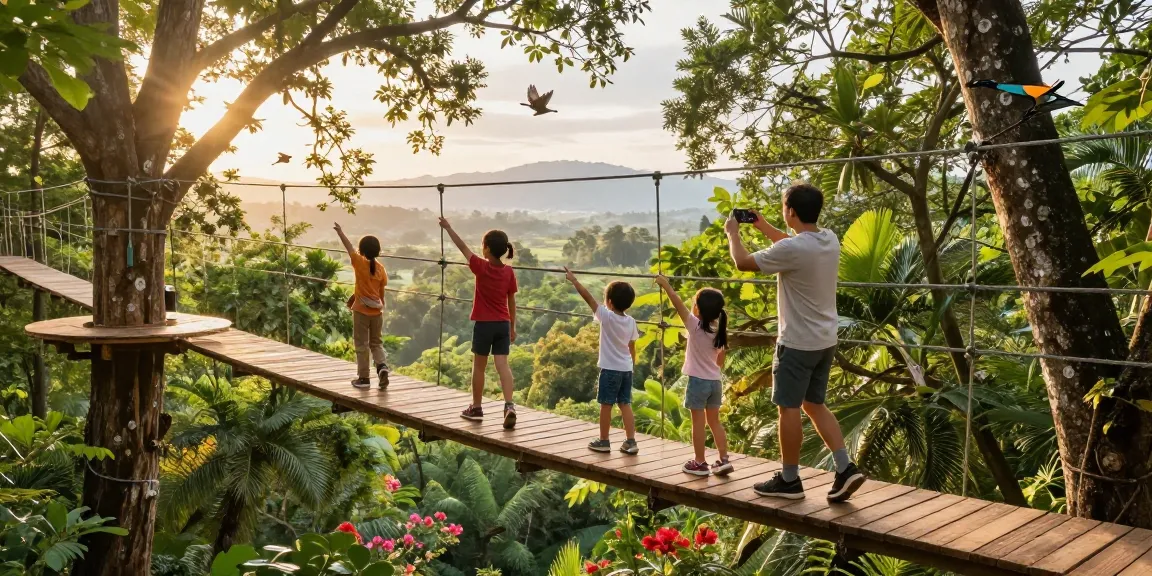
Understanding the Treetop Walkway Experience
With a growing interest in outdoor activities and nature immersion, Treetop Walkway experiences have become a popular attraction for families and nature enthusiasts. These elevated pathways offer a unique vantage point, allowing visitors to explore forest canopies and engage with nature in a way that is both exciting and educational. As you stroll above the ground, you encounter a breathtaking blend of beauty, adventure, and the thrill of being amidst wildlife.
What is a Treetop Walkway?
A treetop walkway, also referred to as a canopy walkway, is an elevated pathway that provides pedestrian access to the upper heights of a forest. These structures often wind through the trees and offer stunning views of the surrounding landscape, enabling visitors to connect with nature from a unique perspective. Typically constructed with sturdy materials, treetop walkways are designed to be safe for all ages, often including features such as viewing platforms and interactive signage that enhances the visitor experience.
History and Development of Treetop Walkways
The concept of treetop walkways originated in the 20th century as a method to promote conservation and education about forest ecosystems. One of the earliest examples is the Canopy Walk in the Udzungwa Mountains of Tanzania, created in the 1990s. These walkways have since gained global popularity, with many being constructed in various parts of the world, including the USA, Europe, and Australia. The design and engineering advancements have improved safety and accessibility, inspiring more locations to incorporate treetop experiences into their conservation efforts.
Key Features of Treetop Walkways
- Height and Viewpoints: Walkways can reach heights of up to 70 feet, providing breathtaking aerial views of the forest and opportunities for wildlife observation.
- Interactive Learning Stations: Many walkways include educational signage about local flora, fauna, and the significance of forest ecosystems, enhancing the learning experience for visitors.
- Eco-Friendly Design: Most treetop walkways are designed to have minimal impact on the environment, utilising sustainable materials and construction practices.
- Safety Features: Equipped with railing and sturdy flooring, these walkways ensure that families can explore safely without compromising on adventure.
Benefits of Using Treetop Walkways
Enhancing Family Bonding in Nature
Treetop walkways offer families a unique opportunity to bond over shared experiences in nature. The thrill of walking high above the ground allows family members to create lasting memories while learning about the environment together. Exploring these elevated paths encourages discussions about wildlife, ecosystems, and the importance of conservation. Such experiences strengthen family ties and foster a love for nature in children.
Educational Opportunities While Exploring
Beyond being a fun activity, treetop walkways serve as living classrooms. Interactive exhibits along the walkways educate visitors about the local ecosystem, including details about tree species, bird life, and the interconnectedness of nature. Children and adults alike can engage with the environment, deepening their understanding and appreciation for wildlife conservation.
Fitness and Health Advantages of Walking in Treetops
Walking on a treetop walkway not only provides a unique visual experience but also has numerous health benefits. The physical activity involved in walking can improve cardiovascular health, enhance mood, and increase stamina. Moreover, being surrounded by nature has been shown to reduce stress levels, providing mental health benefits as families enjoy the tranquillity of the forest.
Planning Your Treetop Walkway Adventure
Choosing the Right Location for Your Family
When selecting a treetop walkway for your family, consider factors such as location, accessibility, and additional amenities. Popular destinations often include parks and nature reserves, where treetop walkways are part of larger recreational areas. Look for facilities that offer guided tours for educational insights or family-friendly activities nearby, ensuring a well-rounded visit.
What to Bring for an Enjoyable Experience?
To enjoy your treetop walkway adventure, come prepared with the following essentials:
- Comfortable walking shoes for traction and support
- Weather-appropriate clothing to stay comfortable
- A bottle of water to stay hydrated
- Binoculars for wildlife watching
- A camera to capture memories of your adventure
Safety Tips for Treetop Walkway Visits
While treetop walkways are designed with safety in mind, it is still crucial to follow these tips to ensure a fun and safe visit:
- Always supervise children closely and ensure they understand walkway rules.
- Avoid running or horseplay while on the walkway.
- Check for any safety notices or guidelines provided by the facility.
- Be mindful of your surroundings and respect wildlife habitats.
Exploring Additional Activities Around Treetop Walkways
Complementary Outdoor Activities for Families
Many treetop walkways are located near additional outdoor attractions. Consider engaging in activities like hiking, cycling, or picnicking to make the most of your day in nature. Nearby visitor centres often host workshops and events that can provide further educational opportunities for families looking to explore the surrounding area.
Nature Trails and Their Importance
Nature trails surrounding treetop walkways are essential for connecting visitors with the rich biodiversity of the area. They offer a chance to explore the forest floor, learning about plant life and small animals that may not be visible from above. Trails provide different perspectives of the ecosystem, highlighting the importance of every layer of the forest.
Wildlife Observation: What You Might Encounter
As you walk along a treetop walkway, you might encounter various wildlife species including birds, insects, and mammals. Different seasons bring unique opportunities, such as migratory birds in spring or vibrant foliage in autumn. Educating your family about the local wildlife not only enhances the experience but also fosters respect for these creatures and their habitats.
Future Trends in Treetop Walkway Design and Experience
Innovative Features to Look Out For by 2026
The design of treetop walkways is continually evolving, with future projects likely to incorporate technology-driven enhancements. Augmented reality installations are being explored to provide interactive educational experiences, allowing visitors to learn more about the ecosystem through their smartphones while exploring the walkway.
Environmental Sustainability in Treetop Walkway Projects
As awareness of ecological issues grows, many new treetop walkway projects are prioritising sustainability. This includes using recycled materials, renewable energy sources, and designs that minimise land impact. These efforts not only protect the natural environment but also educate visitors about sustainable practices.
Anticipated Growth of Treetop Walkways Globally
With increasing demand for outdoor activities, the global landscape of treetop walkways is expected to expand significantly by 2026. More regions are recognising the value of eco-tourism, and as a result, treetop walkways are likely to become common features in national parks and urban green spaces, making nature more accessible to everyone.
What are the best times to visit a Treetop Walkway?
The ideal time to visit a treetop walkway can vary by location. Generally, spring and autumn are considered the best seasons due to the mild temperatures and vibrant scenery. However, summer offers the opportunity for more extended daylight hours, allowing for longer visits and exploration.
Are Treetop Walkways safe for young children?
Most treetop walkways are designed with safety features suitable for young children, including guardrails and sturdy flooring. However, parents should closely supervise their children and ensure they understand the importance of staying within designated areas.
Can you find Treetop Walkways in urban areas?
Yes, many urban parks and nature reserves have begun incorporating treetop walkways into their designs, providing city dwellers opportunities to connect with nature without leaving the urban environment. These walkways not only promote outdoor activity but also enhance city landscapes.
How do Treetop Walkways benefit local ecosystems?
Treetop walkways help educate visitors about forest ecosystems, promoting conservation efforts while providing a safe space for observation. Additionally, they can reduce foot traffic on the forest floor, helping to preserve the habitat and minimise the impact on wildlife.
What should I wear for a Treetop Walkway adventure?
For a treetop walkway adventure, wear comfortable, weather-appropriate clothing along with sturdy footwear. Dressing in layers can be beneficial, as temperatures can vary significantly between the forest floor and the treetops. Consider protecting against insects with long sleeves and trousers if visiting during warmer months.