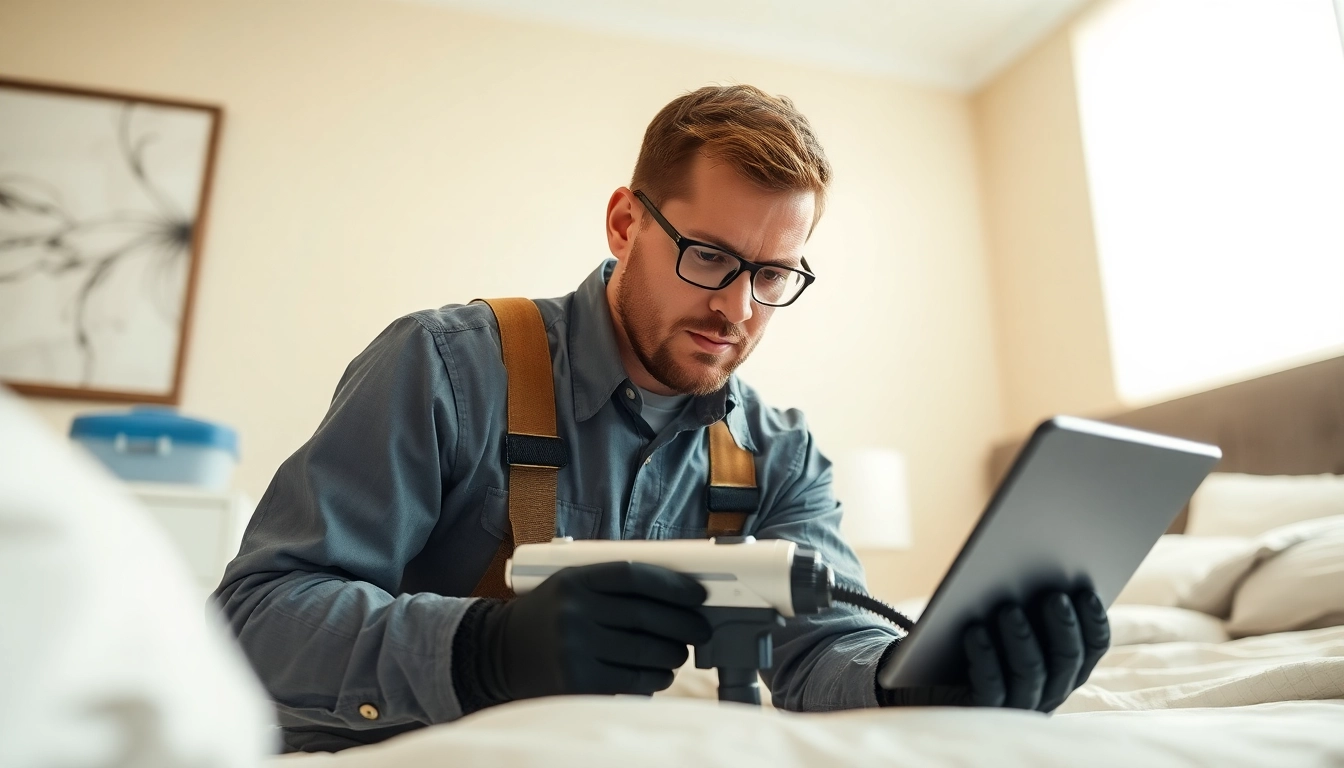
Understanding Bed Bugs and Their Impact
What Are Bed Bugs?
Bed bugs are small, nocturnal insects known scientifically as Cimex lectularius. They are reddish-brown, about 4-5 mm wide, and have flat, oval bodies that allow them to hide in tight spaces. These pests are typically found in areas where people sleep, such as beds, couches, and hotels. Bed bugs are attracted to body heat and carbon dioxide emitted by humans, making them excellent at finding their next meal. Their presence can lead to significant discomfort and unease, particularly due to their bites, which can cause itchy welts and allergic reactions.
Signs of Bed Bug Infestation
Identifying a bed bug infestation in its early stages is crucial for effective bed bug removal. Common signs include:
- Bite Marks: Red, itchy welts on the skin, often arranged in a line or cluster.
- Droppings: Small, dark spots on bed linens or surfaces, which are fecal matter left by bed bugs.
- Eggs and Shells: Tiny, white eggs or shed skins, indicating active breeding.
- Unusual Odor: A musty smell often associated with a large infestation.
Health Risks Associated with Bed Bugs
While bed bugs do not transmit diseases like some other pests, they can cause several health problems. The primary concern is the allergic reaction to their bites. In some individuals, bites can lead to secondary infections from excessive scratching. Chronic stress and anxiety related to bed bug infestations can also occur, affecting overall mental well-being. It is important to address these issues promptly to mitigate both physical and psychological impacts.
Methods for Bed Bug Removal
Professional Pest Control Solutions
When dealing with a bed bug infestation, professional pest control services often provide the most effective solutions. Techniques used by exterminators typically include:
- Heat Treatments: Raising the temperature in affected areas to over 120 degrees Fahrenheit kills bed bugs at all life stages.
- Pesticides: These are used sparingly and selectively, focusing on areas where bed bugs hide.
- Vacuuming and Steaming: These methods physically remove bed bugs and their eggs from furniture and surfaces.
- Monitoring Devices: Placing traps helps gauge the success of the treatment and detect any remaining bugs.
DIY Bed Bug Removal Techniques
For smaller infestations, some homeowners may opt for do-it-yourself (DIY) methods. Effective DIY strategies include:
- Washing Bedding: Hot water laundry cycles can kill bed bugs and their eggs on sheets and pillowcases.
- Steam Cleaning: Using a steam cleaner on furniture and carpets can eliminate bugs without chemicals.
- Sealing Cracks: Caulking gaps in walls and baseboards can limit access points for bed bugs.
- Bed Bug Interceptors: Placing traps under bed legs can catch bugs as they try to climb up.
Essential Tools for Effective Extermination
Having the right tools is essential for successfully eradicating bed bugs. Key items include:
- High-Quality Vacuum: An effective vacuum can suck up bed bugs and eggs from all surfaces.
- Steam Cleaner: A steamer can penetrate fabrics and kill bugs upon contact.
- Bed Bug Sprays: Specifically designed insecticides that target bed bugs are crucial for direct application.
- Protective Gear: Gloves, masks, and goggles are important for personal safety when applying treatments.
Preventing Future Infestations
Best Practices for Home Protection
Regardless of whether you've experienced a bed bug problem before, implementing effective prevention strategies is vital:
- Regular Inspections: Check mattresses and furniture for signs of bed bugs regularly.
- Travel Caution: Always examine hotel rooms for bugs and keep luggage elevated.
- Encasements: Use bed bug-proof mattress covers to prevent infestations in bedding.
- Declutter: Reducing clutter eliminates hiding spaces for bed bugs.
Regular Inspections and Maintenance
Regular home maintenance can help detect issues before they escalate. Checking areas like bed frames, headboards, and carpets will enable early action against bed bugs. Pairing inspections with professional services can uphold a pest-free environment and maintain your home's comfort.
Education on Traveling Safely
Traveling can inadvertently lead to bed bug infestations. To mitigate risks, it’s beneficial to be aware of preventive measures while on the go:
- Inspect Hotel Rooms: Before unpacking, check for signs of bed bugs in rooms and luggage racks.
- Keep Luggage Elevated: Use luggage racks instead of placing bags on beds or floors.
- Wash Clothes Immediately: When returning home, wash and dry your clothes on high heat.
Evaluating Bed Bug Treatment Effectiveness
Monitoring Post-Treatment Results
Evaluating the success of bed bug treatments requires monitoring and persistence. After treatment, regularly inspect the previously infested areas for any signs of bed bugs reappearing. Use sticky traps or bed bug monitors to ensure that any remaining bugs are detected early.
When to Seek Professional Help
If home remedies and initial treatments do not yield results, it is wise to seek professional help. Persistent sightings of bed bugs or bites indicate that the infestation may not yet be under control. Experts have access to advanced treatments and solutions to eliminate more extensive infestations effectively.
Assessing Cost vs. Value of Services
The cost of bed bug treatments can vary widely depending on the severity of the infestation and the methods used. Homeowners should weigh the potential cost against the value of a pest-free environment. Eliminating bed bugs early can save significant expenses and ensure long-term comfort and safety.
FAQs About Bed Bug Removal
1. What Attracts Bed Bugs to My Home?
Bed bugs are attracted to warmth, carbon dioxide, and the presence of humans, which makes any home with people living in it susceptible to infestation.
2. How Soon Can I Expect Results from Treatment?
Results may vary, but typically, you might notice decreased activity within a few days, with many treatments requiring follow-ups for full eradication.
3. Are DIY Methods Effective for Bed Bug Removal?
DIY methods can be effective for minor infestations, but larger problems usually require professional intervention to ensure complete eradication.
4. Can Bed Bugs Live in My Furniture?
Yes, bed bugs can reside in various furniture types, particularly near sleeping areas, so it's essential to inspect and treat such items during an infestation.
5. How Can I Prevent Bed Bugs While Traveling?
To prevent bed bugs while traveling, inspect hotel rooms, keep luggage elevated, and wash clothes immediately upon returning home to eliminate any hitchhikers.