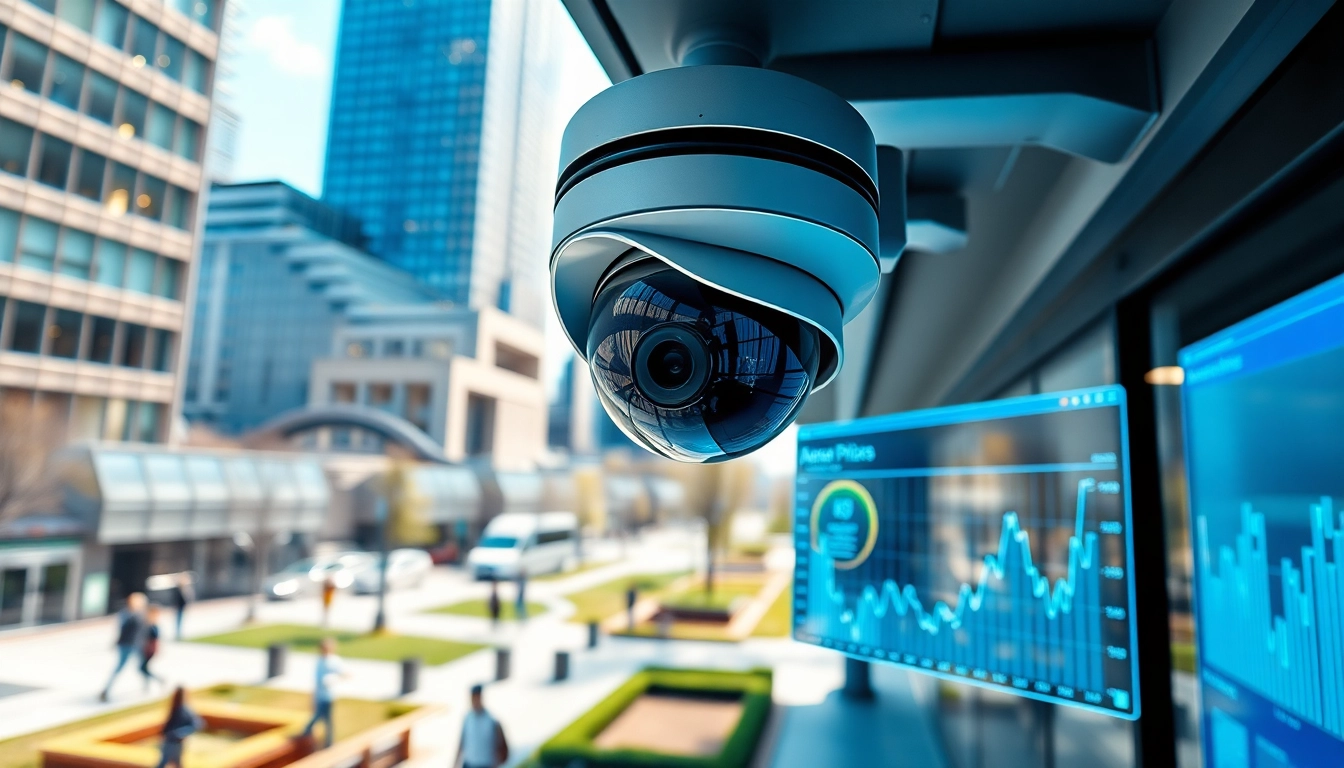
Understanding Security Camera Analytics
As the digital landscape evolves, security cameras have transitioned from passive observational tools to proactive surveillance powerhouses. Central to this transformation is security camera analytics, a sophisticated methodology that utilizes algorithms and artificial intelligence to analyze video footage in real-time. This technology not only enhances security measures but also provides businesses with insights that can improve operations across various sectors.
What is Security Camera Analytics?
Security camera analytics refers to the technology used to interpret video footage using algorithms and artificial intelligence. This analysis allows for the identification, tracking, and classification of people and objects within the camera's view. The core of security camera analytics is its ability to move beyond mere recording; it enables proactive monitoring by providing actionable insights based on visual data. This system is crucial for various applications, including crime prevention, operational efficiency, and customer behavior analysis.
How Security Camera Analytics Works
The heartbeat of security camera analytics lies in its technical prowess. Through a combination of computer vision algorithms, deep learning models, and historical data analysis, this technology processes video streams to detect patterns, anomalies, and specific events. A camera equipped with video analytics can filter out irrelevant footage, focusing instead on meaningful activity - such as unauthorized access or unusual crowd behavior. This real-time processing ensures that stakeholders receive immediate alerts, enabling timely interventions.
Importance of Security Camera Analytics
The importance of security camera analytics can be viewed through multiple lenses. First, it drastically improves security measures by identifying potential threats before they manifest into incidents. Second, it encourages a data-driven approach, where businesses can fine-tune operations based on behavioral insights gleaned from video data. Finally, the built-in efficiencies can lead to significant cost savings over time, as fewer resources are wasted on manual monitoring and incident review.
Benefits of Implementing Security Camera Analytics
Real-time Monitoring and Alerts
One of the standout benefits of security camera analytics is its capability for real-time monitoring and alerting. By integrating advanced algorithms, systems can flag irregularities and send alerts to security personnel as incidents unfold. This immediate response capability can be a game-changer in mitigating risks, as timely intervention can prevent crimes or respond to emergencies outside typical operational hours.
Data-Driven Insights for Decision Making
Analytics transforms traditional surveillance systems into valuable decision-making tools. Data derived from these systems can illuminate trends in customer behavior, traffic patterns, and even employee productivity. This information can guide future business strategies and operational adjustments, ultimately enhancing the efficiency and execution of business objectives.
Improved Incident Response
With the integration of video analytics, the process of incident response becomes significantly more efficient. Stakeholders can quickly access relevant footage and hard data during events, allowing for informed decision-making amid crises. This improved responsiveness not only protects assets but also enhances overall safety within the environment — whether it's a retail space, office, or public venue.
Common Applications of Security Camera Analytics
Retail and Loss Prevention
In retail environments, security camera analytics plays a crucial role in loss prevention. By monitoring foot traffic, businesses can identify patterns that lead to theft and optimize staff deployment to deter such activities. Additionally, heat mapping technologies can reveal hotspots in stores, allowing retailers to make informed decisions about product placements and promotions.
Traffic and Congestion Management
Urban environments increasingly employ security camera analytics to manage traffic flow and congestion. Analyzing data from cameras positioned at key intersections provides insights into traffic patterns, helping city planners make data-driven decisions regarding infrastructure improvements. Dynamic responses, such as adjusting traffic light timing based on real-time data, can significantly enhance road safety and efficiency.
Workplace Safety Enhancements
Security camera analytics extends beyond traditional security applications. In workplaces, analytics can monitor safety compliance, ensuring occupational safety and health regulations are met. By tracking behaviors and incidents in hazardous areas, businesses can proactively address potential safety issues, fostering a safer workplace environment for all employees.
Challenges in Security Camera Analytics Implementation
Data Privacy and Compliance Issues
While the benefits of security camera analytics are substantial, the implementation also poses challenges, especially concerning data privacy. Organizations must navigate complex regulations surrounding video surveillance, ensuring that they comply with both federal and state laws. Balancing the need for security with respect for individual privacy rights remains a pivotal challenge for many.
Cost of Advanced Analytics Systems
The investment required for advanced security camera analytics systems can be substantial. Not only are there costs associated with the hardware and software, but organizations also need to consider the ongoing expenses related to maintenance, updates, and training staff to effectively utilize the systems. Evaluating the return on investment (ROI) is crucial in deciding whether to implement such technologies.
Integration with Existing Systems
Integrating new analytics systems with legacy security frameworks can often prove complicated. Organizations may face compatibility issues that necessitate significant modifications to existing systems. To facilitate smoother integration, thorough assessments of current infrastructure should be conducted prior to implementation, alongside consultations with technical experts.
Future Trends in Security Camera Analytics
AI and Machine Learning Advancements
As AI and machine learning technologies evolve, so too will the capabilities of security camera analytics. Future iterations of analytics systems will likely use more sophisticated algorithms capable of continually learning from new data inputs. This will enhance their ability to detect anomalies and predict potential security breaches with even greater accuracy.
Predictive Analytics Capabilities
The implementation of predictive analytics in security camera systems represents a promising trend. By leveraging historical trends and current behaviors, businesses can preemptively identify threats and take necessary precautions. This forward-looking approach maximizes security and resource allocation, leading to enhanced safety across various environments.
Enhanced Integration with IoT Devices
Integration with IoT devices will pave the way for intelligent surveillance ecosystems. In the future, security camera analytics will not only analyze video data but also interconnect with other smart devices to streamline responses. For example, a security camera could communicate with smart locks to automatically secure a facility during an emergency event, enhancing overall safety protocols.
Frequently Asked Questions
What is the primary function of security camera analytics?
Security camera analytics primarily interprets video footage using algorithms and AI, identifying and tracking objects and behaviors in real-time to enhance security and operational decision-making.
How does security camera analytics improve incident response?
It improves incident response by providing real-time alerts for suspicious activities, allowing security personnel to take immediate action based on actionable video insights.
What are some common applications of security camera analytics?
Common applications include retail loss prevention, traffic management, and workplace safety monitoring, where analytics aids in optimizing safety measures and resource allocation.
What challenges do organizations face when implementing security camera analytics?
Organizations often face data privacy concerns, high costs, and integration difficulties with existing systems, making careful planning and assessment necessary for successful implementation.
What future trends are expected in security camera analytics?
Future trends include advancements in AI and machine learning, predictive analytics capabilities, and enhanced integration with IoT devices, fostering smarter surveillance systems.