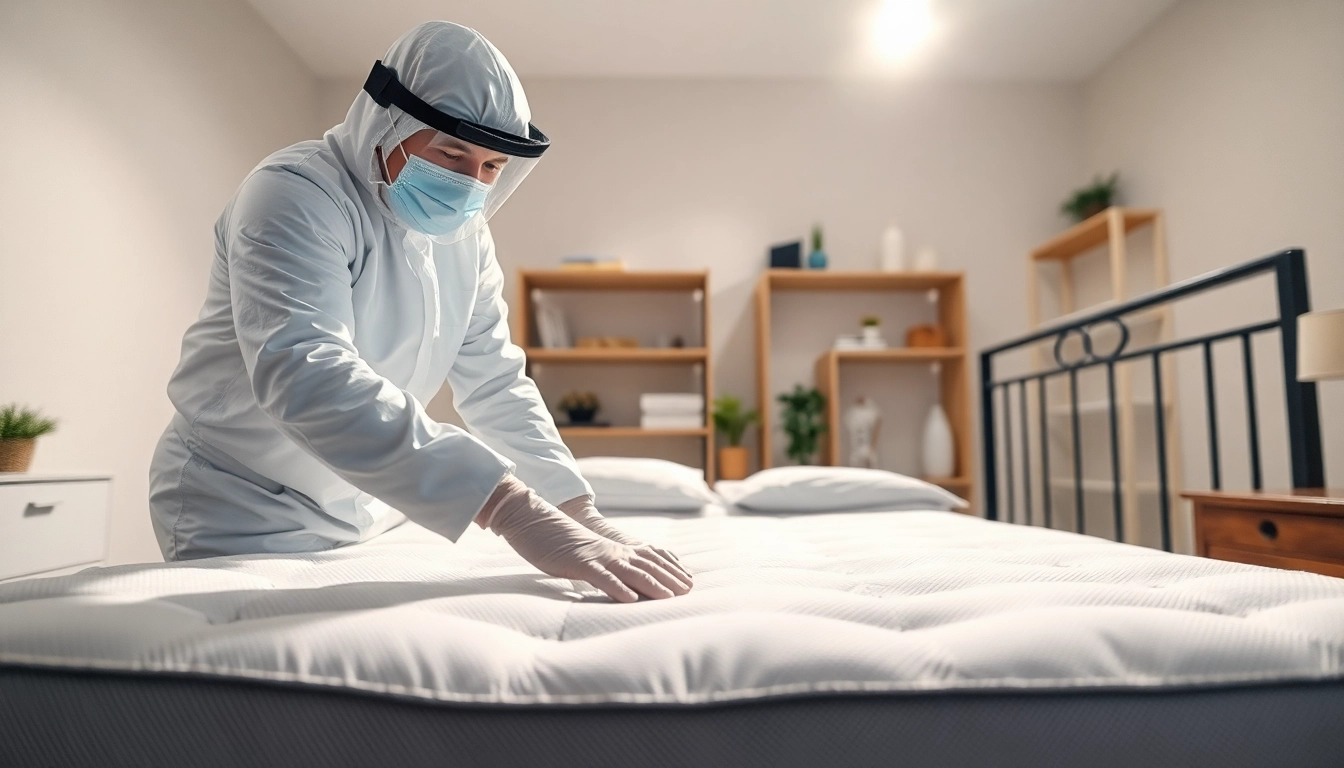
Understanding Bed Bugs and Their Habits
What are Bed Bugs?
Bed bugs are small, parasitic insects that feed on human blood. They are nocturnal creatures, typically emerging at night to bite their unsuspecting hosts while they sleep. Adult bed bugs are approximately the size of an apple seed, with flat, reddish-brown bodies that become engorged and swollen after feeding. Understanding the biology and habits of these pests is essential for effective bed bug treatment.
Common Signs of Infestation
Detecting a bed bug infestation early can make eradication significantly easier. Common signs include:
- Red, itchy bite marks on the skin, usually in a line or cluster.
- Dark spots on bedding or mattresses, which are fecal stains from bed bugs.
- Shell casings or molted skins, remnants of bed bug nymphs as they grow.
- A musty odor in heavily infested areas, often described as sweet or sour.
Behavior and Life Cycle of Bed Bugs
The typical life cycle of a bed bug involves three stages: eggs, nymphs, and adults. Female bed bugs can lay up to five eggs per day, leading to rapid population growth. Nymphs mature into adults within about five weeks if conditions are favorable, which include proper temperature and access to blood meals. Understanding this life cycle is crucial for determining the timing of bed bug treatment.
Effective Methods for Bed Bug Treatment
Heat Treatment Techniques
Heat treatment is one of the most effective methods for eradicating bed bugs. This involves raising the temperature of infested areas to around 120°F for several hours, which kills bed bugs and their eggs. Professional exterminators typically use specialized equipment—such as commercial heaters—to ensure the correct temperature is maintained throughout the space. This method is chemical-free and can penetrate into areas where bed bugs hide.
Chemical Treatments Overview
Chemical treatments involve the application of insecticides designed to kill bed bugs. There are various types available, including residual insecticides that persist for weeks or months, and contact insecticides that kill on contact. When employing chemical treatments, it is vital to follow all safety guidelines and to consider the potential for bed bugs to develop resistance to certain chemicals.
Combining Methods for Success
Combining different treatment methods often yields the best results. For instance, heat treatment can be followed by chemical application to target any remaining bugs. Additionally, implementing preventive measures such as regular vacuuming, using mattress encasements, and decluttering can significantly reduce the chances of re-infestation.
Preparing Your Home for Bed Bug Treatment
Essential Pre-Treatment Steps
Preparation is key to an effective bed bug treatment. Begin by clearing clutter where bed bugs can hide and washing all bedding, clothing, and towels in hot water. It’s also advisable to move furniture away from walls and vacuum thoroughly to remove visible bugs and eggs before the extermination process begins.
Creating a Safe Environment
To create a safe environment during treatment, remove or cover pets and ensure that children are away from the infested area. When using chemical treatments, cover any food items, utensils, and sensitive materials to prevent contamination. A well-prepared environment allows for more effective treatment and minimizes risks.
Post-Treatment Care and Maintenance
After treatment, it’s important to maintain vigilance to prevent re-infestation. Continue to check for signs of bed bugs, and keep furniture and bedding in good condition. Regular vacuuming and using mattress encasements can also help monitor any new activity, allowing you to act quickly if any bed bugs are detected.
Cost Considerations for Bed Bug Treatment
Factors Influencing Treatment Costs
The cost of bed bug treatment varies based on several factors, including the level of infestation, the size of the area being treated, and the method of treatment used. Other influences include the location and the chosen pest control service. Understanding these factors can assist in budgeting for effective treatment.
Cost Comparison of Different Methods
When considering treatment options, costs can vary significantly. Heat treatments tend to be more expensive due to the equipment required but may eliminate pests in just one session. Chemical treatments often require multiple visits, which can increase overall costs. Evaluating the cost-effectiveness of these methods is essential for making informed decisions.
Insurance and Financial Assistance Options
Some homeowners may have insurance that covers pest control services. Contacting your insurance provider can clarify what is covered under your home policy. Additionally, local health departments or charitable organizations may provide financial assistance for pest control services in certain circumstances, easing the financial burden of treatment.
Frequently Asked Questions about Bed Bug Treatment
How Quickly Can I Expect Results?
Results can vary based on the treatment method used. Heat treatment can show immediate results, while chemical methods may take several days to be fully effective.
Are DIY Methods Effective?
DIY methods can help manage minor infestations but may lack the effectiveness of professional treatments. For severe infestations, professional services are recommended for best results.
What Should I Do After Treatment?
Continue to monitor for signs of bed bugs, maintain cleanliness, and avoid introducing any unwashed items into your space for a while after treatment.
How to Prevent Future Infestations?
Regular cleaning, using protective covers on mattresses, and being cautious with secondhand items can help prevent future infestations.
When Should I Call a Professional?
If you notice signs of an infestation or if DIY methods have not been successful, it’s important to call a professional pest control service for effective treatment.